
Anúncios
In an era of climate uncertainty and supply chain disruptions, building resilient food pantries through diversity planning has become essential for household and community sustainability.
The concept of food security extends far beyond simply having enough to eat. It encompasses the reliability, nutritional adequacy, and sustainability of our food sources. As global challenges intensify—from extreme weather events to geopolitical tensions affecting trade routes—the wisdom of maintaining diverse, well-planned food reserves has never been more apparent. A resilient pantry acts as both an insurance policy and a foundation for sustainable living, protecting families and communities from unexpected disruptions while promoting healthier eating patterns and reducing waste.
Anúncios
The traditional approach to food storage often focused on quantity over quality, with limited attention to nutritional balance or shelf-life optimization. Today’s approach to pantry resilience requires a more sophisticated strategy that incorporates diversity in food types, preservation methods, nutritional profiles, and sourcing strategies. This comprehensive approach ensures that households can maintain adequate nutrition even during extended periods of scarcity or when access to fresh foods becomes limited.
🌾 The Foundation of Diversity Planning in Food Storage
Diversity planning represents a fundamental shift in how we approach food security at the household level. Rather than stockpiling large quantities of a few staple items, this strategy emphasizes variety across multiple dimensions: food groups, preservation methods, nutritional profiles, and shelf lives. This multifaceted approach creates redundancy in the food supply system, ensuring that if one category becomes unavailable or spoils, others can compensate.
Anúncios
The principle mirrors natural ecosystems, where biodiversity creates resilience against diseases, pests, and environmental changes. In pantry planning, this translates to storing proteins from both plant and animal sources, carbohydrates in various forms, and a spectrum of preserved fruits and vegetables. The diversity extends to preparation requirements as well—some items require minimal cooking, while others need more elaborate preparation, providing flexibility based on available resources and circumstances.
Successful diversity planning also considers the complementary nature of different foods. Certain combinations provide complete proteins, while others enhance mineral absorption or provide balanced macronutrient profiles. Understanding these nutritional synergies allows planners to create pantries that aren’t merely collections of individual items but integrated systems capable of supporting complete nutrition over extended periods.
Strategic Categories for a Resilient Food Reserve
Building a truly resilient pantry requires organizing food reserves into strategic categories that work together to provide comprehensive nutrition and culinary flexibility. Each category serves specific functions while contributing to overall system resilience.
Long-Term Staples and Grains
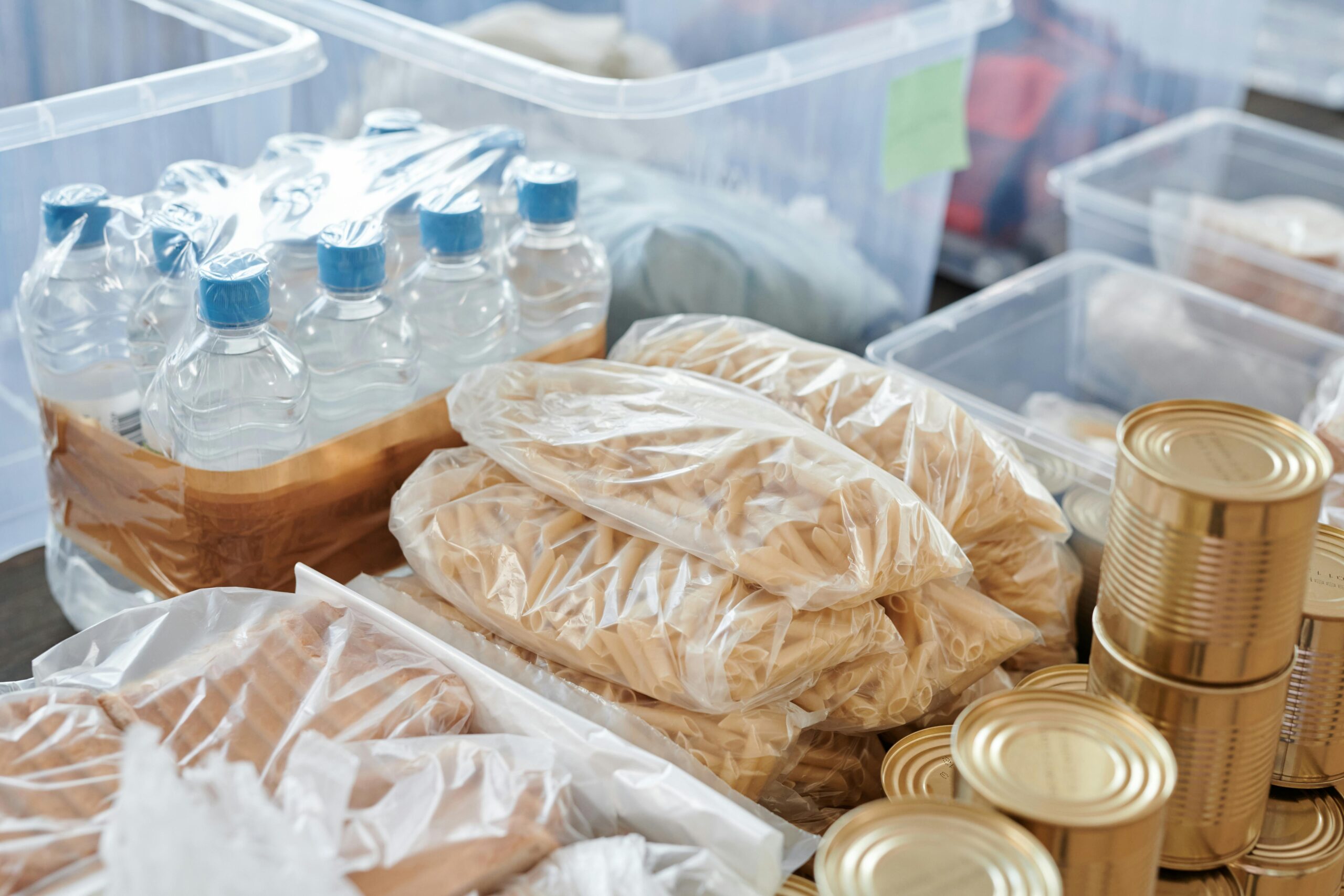
The backbone of any resilient pantry consists of shelf-stable grains and legumes that can last for years when properly stored. Rice, wheat berries, oats, quinoa, and various beans provide essential carbohydrates and proteins. These staples offer exceptional caloric density and can form the base of countless meals. Proper storage in oxygen-free containers with moisture control can extend their viability to decades, making them excellent long-term investments in food security.
Diversity within this category matters tremendously. Different grains offer varying nutritional profiles, cooking times, and culinary applications. White rice stores longer than brown rice but offers less nutrition. Ancient grains like amaranth and millet provide unique nutrient combinations and add variety to repetitive diets. Rotating between different grain types prevents palate fatigue and ensures a broader spectrum of vitamins and minerals.
Preserved Proteins for Sustained Nutrition
Protein preservation represents one of the greatest challenges in pantry planning, yet diverse options exist for every dietary preference. Canned meats, fish, and poultry provide ready-to-eat protein sources with shelf lives measured in years. Plant-based alternatives like canned beans, lentils, textured vegetable protein, and shelf-stable tofu offer comparable nutrition with different storage characteristics and preparation requirements.
Dehydrated and freeze-dried proteins have gained popularity for their extended shelf life and reduced weight, making them ideal for both everyday pantries and emergency reserves. Powdered eggs, jerky, and protein powders supplement fresh options when refrigeration becomes unavailable. The key lies in maintaining variety—different protein sources provide different amino acid profiles, and diversification ensures nutritional completeness.
Fruits, Vegetables, and Micronutrient Sources 🥫
Micronutrient deficiencies can develop quickly when diets become monotonous or restricted to basic staples. Preserved fruits and vegetables address this vulnerability while adding flavor and variety to stored food reserves. Canned tomatoes, vegetables, and fruits provide essential vitamins and can transform basic grain-and-protein meals into complete dishes. Dried fruits offer concentrated nutrition and natural sweetness without refrigeration.
Freeze-dried vegetables retain more nutrients than traditionally canned options and rehydrate quickly for cooking. Fermented and pickled vegetables contribute probiotics and unique flavors while demonstrating remarkable shelf stability. Home preservation through canning, dehydrating, or fermenting allows customization based on family preferences and local seasonal abundance, creating connections between fresh food systems and long-term reserves.
Preservation Methods and Their Strategic Applications
Understanding various preservation methods empowers better decision-making in pantry planning. Each technique offers distinct advantages and limitations that affect nutritional retention, shelf life, storage requirements, and preparation flexibility.
Commercial canning provides convenience and long shelf life with minimal storage requirements beyond cool, dry conditions. Home canning offers customization but requires proper technique to ensure safety. Dehydration dramatically reduces weight and volume while concentrating flavors and nutrients, though rehydration adds preparation time. Freeze-drying preserves the most nutrients and allows rapid rehydration but typically costs more initially.
Fermentation creates shelf-stable foods while enhancing digestibility and adding beneficial bacteria. Vacuum sealing extends the life of many dry goods by preventing oxidation and pest infiltration. Root cellaring and cool storage work for certain fresh foods without processing. A resilient pantry incorporates multiple preservation methods, ensuring that if circumstances limit access to one type of preserved food, alternatives remain available.
Nutritional Balance in Long-Term Food Planning
Maintaining nutritional adequacy becomes paramount when relying on stored foods for extended periods. Diversity planning must address not only calories and macronutrients but also the full spectrum of vitamins, minerals, and phytonutrients essential for health.
Complete proteins containing all essential amino acids can be achieved through strategic combinations—rice with beans, wheat with legumes, or quinoa as a standalone complete protein. Fat-soluble vitamins require dietary fats for absorption, making stored oils, nuts, and seeds critical components despite their shorter shelf lives. Water-soluble vitamins, particularly vitamin C and B-complex, degrade over time in storage, necessitating rotation strategies and potentially supplementation.
Mineral content varies dramatically among food types. Leafy greens provide calcium and iron, though these are challenging to store. Canned fish with bones, fortified grains, and dried legumes can fill these gaps. Iodine, zinc, and selenium require particular attention in pantry planning, as deficiencies can develop insidiously. Maintaining diversity across food groups naturally addresses most micronutrient needs while reducing dependence on any single food source.
🔄 Rotation Systems and Freshness Management
Even shelf-stable foods deteriorate over time, making rotation systems essential for maintaining pantry quality and preventing waste. The “first in, first out” principle forms the foundation of effective rotation, ensuring older items get used before newer acquisitions.
Dating all stored items upon acquisition simplifies tracking and rotation decisions. Organizing pantry spaces so older items sit at the front or on top encourages their use while newer items wait in reserve. Digital inventory systems or simple spreadsheets can track purchase dates, quantities, and expected shelf lives, enabling proactive replacement before quality degrades significantly.
Rotation frequency should match shelf life characteristics. Fresh additions to the pantry get consumed within weeks or months, while long-term reserves might rotate every few years. This layered approach maintains a gradient from active use to deep reserves, with continuous flow preventing stagnation. Regular rotation also familiarizes households with preparation methods and flavors, preventing the shock of unfamiliar foods during emergencies.
Climate Resilience and Regional Adaptation
Climate change introduces unprecedented uncertainty into food systems, with shifting growing zones, extreme weather events, and disrupted supply chains affecting food availability and prices. Resilient pantries must account for these regional realities while supporting local food systems.
Understanding regional vulnerabilities informs pantry priorities. Coastal areas might prioritize foods that tolerate humidity, while arid regions can leverage low-moisture storage conditions. Areas prone to power outages benefit from foods requiring minimal cooking or cold storage. Regional disaster patterns—hurricanes, wildfires, floods, or earthquakes—should influence both the types of foods stored and their accessibility during evacuations or sheltering periods.
Supporting local food production enhances both community resilience and pantry diversity. Seasonal preserving of local abundance connects households to regional agriculture while reducing dependence on distant supply chains. Farmers’ markets, community-supported agriculture programs, and home gardens provide fresh foods for immediate consumption and preservation, creating closed-loop systems that buffer against external disruptions.
Economic Sustainability of Diverse Food Reserves 💰
Building resilient pantries requires initial investment, but strategic planning makes the approach economically sustainable for most households. Bulk purchasing of staples offers significant per-unit savings, while preserved foods purchased during seasonal abundance or sales reduce long-term food costs.
The economic benefits extend beyond purchase price. Reduced food waste occurs when households can preserve surplus fresh foods or utilize pantry items before spoilage. Fewer emergency grocery runs at premium prices happen when well-stocked pantries provide meal options without immediate shopping. Protection against price inflation becomes automatic when food purchased at today’s prices remains available during future price increases.
Gradual accumulation prevents financial strain while building reserves over time. Purchasing a few extra shelf-stable items with each regular shopping trip steadily expands pantries without requiring large lump-sum investments. Prioritizing versatile, nutrient-dense foods maximizes nutritional return on investment. Community food cooperatives and buying clubs can further reduce costs while building social networks that enhance collective resilience.
Practical Implementation Strategies for Every Household
Transitioning from concept to reality requires practical steps tailored to individual circumstances, storage space, and dietary needs. Beginning with a household food audit reveals current consumption patterns and preferences, providing a baseline for building reserves.
Start by calculating a realistic timeline—whether preparing for a week, month, or longer period of food self-sufficiency. Multiply typical weekly consumption by the desired timeline to estimate quantities needed. Focus initially on foods the household already eats and knows how to prepare, gradually expanding into new items to increase diversity without overwhelming family members with unfamiliar foods.
Storage solutions adapt to available space. Unused closets, under-bed containers, basement shelving, or dedicated pantry rooms all work depending on household configurations. Temperature control, moisture management, and pest prevention matter more than dedicated space. Food-grade buckets, Mylar bags with oxygen absorbers, and proper shelving create effective storage even in small apartments.
Documentation prevents confusion and waste. Simple inventory lists tracking items, quantities, purchase dates, and locations help manage larger pantries. Meal planning incorporating pantry items ensures regular rotation while demonstrating the practical value of stored foods. Testing recipes using only pantry ingredients builds confidence and identifies gaps in current reserves.
Community-Scale Resilience and Collective Action
While household pantries provide individual security, community-level initiatives multiply resilience through collective action and shared resources. Food cooperatives, community pantries, and neighborhood exchange networks create social infrastructure supporting widespread food security.
Seed libraries preserve agricultural biodiversity while enabling home food production. Community gardens and urban farms generate fresh produce for immediate consumption and preservation. Tool-lending libraries provide canning equipment, dehydrators, and other preservation tools that might be too expensive for individual households to purchase.
Knowledge sharing amplifies the benefits of diversity planning. Preservation workshops, recipe exchanges, and skill-sharing sessions build collective competence in food security practices. Intergenerational knowledge transfer revives traditional preservation methods while incorporating modern safety standards and techniques. These social connections themselves become forms of resilience, creating mutual support networks that extend beyond food to encompass broader community well-being.
Technology and Modern Tools for Pantry Management 📱
Digital tools increasingly support pantry planning and management, offering capabilities impossible with traditional paper systems. Inventory apps track stored items, expiration dates, and quantities while generating shopping lists based on consumption patterns and rotation schedules. Some applications provide recipe suggestions based on available pantry items, reducing waste while adding culinary variety.
Smart storage solutions include temperature and humidity monitors that alert users to conditions threatening food quality. Vacuum sealers with companion apps track sealed items and storage dates. Online communities share preservation recipes, storage tips, and bulk purchasing opportunities, connecting individuals pursuing similar food security goals.
Building Toward a Sustainable Future Through Food Diversity
The intersection of personal preparedness and global sustainability occurs in how we approach food systems. Resilient pantries reduce dependence on just-in-time supply chains that prioritize efficiency over reliability. By maintaining reserves, households buffer demand spikes that stress food systems during crises, potentially reducing panic buying and supply shortages.
Embracing food diversity preserves agricultural biodiversity by supporting varied crops and food traditions. Choosing whole foods over highly processed options reduces environmental impacts while improving nutrition. Local and seasonal preservation connects consumption to production cycles, strengthening regional food economies and reducing transportation emissions.
The skills and knowledge developed through diversity planning represent cultural capital passed between generations. Understanding how to preserve food, assess quality, and create nutritious meals from basic ingredients builds competence and confidence. These capabilities persist regardless of economic circumstances or technological availability, representing truly sustainable knowledge.
As climate change, resource constraints, and population pressures intensify, food security challenges will likely increase rather than diminish. Proactive diversity planning in household and community food reserves represents practical adaptation to these realities. Beyond mere survival preparation, this approach celebrates abundance, honors food traditions, and creates connections between people, their communities, and the natural systems supporting all life.
Building resilient pantries through diversity planning empowers individuals and communities to face uncertain futures with greater confidence and capability. The practices strengthen food security while promoting sustainability, nutrition, and self-reliance. As more households adopt these principles, collective resilience grows, creating food systems better able to weather disruptions while supporting human and environmental health. The power of diversity planning lies not in perfect prediction of future challenges but in creating flexible, robust systems capable of adapting to whatever circumstances arise, ensuring nourishment and stability for sustainable futures.
