
Anúncios
Metal detecting has evolved from a niche hobby into a widely accessible activity, thanks to modern smartphone technology that brings powerful detection tools right into your pocket.
Whether you’re an experienced treasure hunter or someone curious about what lies beneath the surface, metal and gold detector apps offer an innovative solution. These applications leverage your smartphone’s built-in magnetometer sensor to detect metallic objects nearby, transforming an everyday device into a functional detection tool.
Anúncios
The convenience of having a metal detector in your smartphone cannot be overstated. Instead of investing hundreds or thousands of dollars in professional equipment, you can explore this fascinating world with a free or low-cost app. From finding lost jewelry in your backyard to discovering hidden treasures at the beach, these apps open up exciting possibilities for exploration and discovery. 🔍
How Metal Detector Apps Actually Work
Understanding the technology behind metal detector apps helps you appreciate their capabilities and limitations. Most smartphones contain a magnetometer sensor, originally designed to support compass functionality and navigation features. This sensor measures magnetic field strength in the surrounding environment.
Anúncios
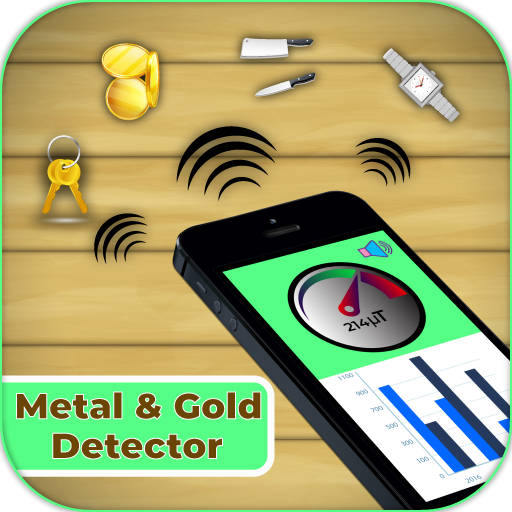
When a metallic object comes near your phone, it disrupts the natural magnetic field. The magnetometer detects this disruption, and the app translates these measurements into readable data. The app typically displays the magnetic field strength in microteslas (µT), with higher readings indicating the presence of metal nearby.
The accuracy of these apps depends heavily on your smartphone’s sensor quality. Higher-end devices generally feature more sensitive and precise magnetometers, resulting in better detection capabilities. However, even budget smartphones can deliver surprisingly effective results for casual metal detecting activities.
It’s important to note that these apps work best with ferrous metals—those that contain iron and have magnetic properties. Objects like steel nails, iron tools, and certain coins respond strongly to magnetic field detection. Non-ferrous metals like aluminum, copper, and gold produce weaker magnetic responses and may be harder to detect consistently.


Key Features to Look for in Detection Apps 📱
Not all metal detector apps are created equal. When choosing the right application for your needs, certain features make a significant difference in usability and effectiveness.
Real-time magnetic field readings are essential. The app should display continuous updates as you move your phone, allowing you to track changes in the magnetic environment instantly. Look for apps that show measurements in microteslas with visual indicators like graphs or meters.
Audio feedback enhances the detection experience considerably. Quality apps include sound alerts that increase in frequency or intensity as you approach metallic objects. This feature lets you focus on the ground rather than constantly watching your screen.
Calibration tools help eliminate interference from electronic devices and other magnetic sources in your environment. Apps with good calibration features let you establish a baseline reading before beginning your search, improving detection accuracy.
Historical data tracking appeals to serious users who want to document their findings. Some advanced apps let you save locations, record magnetic readings, and build a database of your discoveries over time.
User-friendly interface design matters more than you might think. Simple, intuitive controls make the difference between a frustrating experience and an enjoyable one, especially for beginners exploring metal detection for the first time.
Practical Applications Beyond Treasure Hunting
While treasure hunting captures the imagination, metal detector apps serve numerous practical purposes in everyday life. Homeowners frequently use these tools to locate hidden wiring, pipes, and structural supports before drilling into walls or driving nails.
Construction workers and DIY enthusiasts benefit from quickly identifying metal studs behind drywall. This prevents costly mistakes and potential injuries from accidentally penetrating electrical wiring or plumbing during renovation projects.
The apps prove invaluable for finding lost items around the house or yard. That missing earring in the carpet, the key that fell in the garden, or the wedding ring lost at the beach—these common scenarios become solvable with a simple smartphone scan.
Security-conscious individuals use metal detectors to inspect packages, luggage, or second-hand purchases for hidden metal components. While not as thorough as professional security equipment, these apps provide a quick preliminary check.
Educators incorporate metal detector apps into science lessons, demonstrating magnetic fields and electromagnetic principles in interactive, engaging ways. Students gain hands-on experience with physics concepts that might otherwise remain abstract and theoretical.
Understanding Detection Limitations 🎯
Setting realistic expectations ensures satisfaction with your metal detecting app. These applications cannot match the depth, precision, or discrimination capabilities of dedicated metal detecting equipment costing hundreds or thousands of dollars.
Detection depth remains the most significant limitation. Smartphone apps typically detect metal objects only within a few inches of the device, while professional detectors can locate items buried several feet underground. The phone’s sensor simply lacks the power and sensitivity for deep detection.
Metal discrimination—the ability to distinguish between different types of metals—presents another challenge. Professional detectors use multiple frequencies and advanced signal processing to identify specific metals. Smartphone apps provide general magnetic field readings without definitive material identification.
Environmental interference affects smartphone detectors more dramatically than professional equipment. Nearby electronics, power lines, metal structures, and even reinforced concrete can produce confusing readings that obscure actual targets.
Gold detection deserves special mention. Despite marketing claims, smartphone metal detectors struggle with gold because this precious metal is essentially non-magnetic. While gold might produce minimal magnetic field disruption due to trace elements or alloys, reliable gold detection requires specialized, expensive equipment.
Maximizing Your Detection Success Rate
Proper technique dramatically improves results when using metal detector apps. Start by calibrating your app in an area free from metal objects. This establishes a baseline reading that helps the app distinguish between normal magnetic fields and metal signatures.
Move your smartphone slowly and steadily, maintaining a consistent distance from the surface you’re scanning. Rapid movements or varying heights produce erratic readings that make interpretation difficult. Think of it as using a paintbrush—smooth, controlled movements yield the best results.
Lower your phone to within two to three inches of the scanning surface. Closer proximity improves detection sensitivity, though pressing the phone directly against surfaces may actually reduce effectiveness by limiting sensor exposure to the magnetic field.
Scan in a systematic pattern to ensure complete coverage. Overlap your passes slightly, moving in straight lines across the search area. This methodical approach prevents missed spots and builds a mental map of magnetic anomalies.
Remove electronic devices from your pockets and disable Bluetooth connections before scanning. Your smartwatch, wireless earbuds, and other gadgets generate electromagnetic interference that corrupts detection readings.
Practice on known objects to develop your skills and understanding. Hide coins, keys, or tools in different locations and practice locating them. This training builds confidence and helps you recognize genuine detection signals versus background noise.
Comparing Free and Premium Detector Apps 💰
The app marketplace offers both free and paid metal detector applications, each category presenting distinct advantages and trade-offs. Free apps provide excellent entry points for beginners testing the waters of metal detection without financial commitment.
Most free versions include basic detection functionality with standard magnetic field readings and simple visual displays. They work perfectly well for casual use, occasional item searches, and learning the fundamentals of metal detection technology.
However, free apps typically include advertisements that interrupt the user experience. These ads can appear at inconvenient moments, breaking your concentration during critical detection phases. Some users find this trade-off acceptable, while others consider it frustrating.
Premium apps eliminate advertisements and often include enhanced features like advanced calibration, detailed logging, customizable audio alerts, and superior user interfaces. For serious hobbyists or professionals using these tools regularly, the modest investment often proves worthwhile.
Some apps use a freemium model, offering basic features for free with optional in-app purchases for premium capabilities. This approach lets you test the app thoroughly before deciding whether advanced features justify the expense.
Safety Considerations and Legal Awareness ⚖️
Metal detecting activities require awareness of legal restrictions and safety protocols. Many jurisdictions regulate metal detecting on public lands, historical sites, and archaeological areas. Research local laws before searching, as violations can result in significant fines or legal consequences.
National parks, protected historical sites, and government-owned properties often prohibit metal detecting entirely. These restrictions protect archaeological resources and preserve historical integrity. Always obtain explicit permission before detecting on any property you don’t personally own.
Beaches present variable regulations depending on location. Some municipalities welcome metal detecting as harmless recreation, while others restrict or ban the activity. Coastal areas above the high-tide line may have different rules than the beach itself.
Private property requires landowner permission without exception. Even abandoned-looking properties have owners who maintain legal rights. Building positive relationships with property owners often leads to ongoing access and shared discovery excitement.
Safety extends beyond legal compliance. Watch for hazardous terrain, unstable ground, and dangerous wildlife in outdoor detection areas. Inform someone of your location and expected return time when detecting in remote areas. Carry a basic first aid kit and maintain situational awareness at all times.
The Future of Mobile Detection Technology 🚀
Smartphone technology continues advancing rapidly, bringing exciting possibilities for metal detection applications. Future devices may incorporate more sensitive magnetometers, expanded sensor arrays, and artificial intelligence to improve detection accuracy and depth.
Machine learning algorithms could revolutionize metal discrimination, analyzing complex magnetic signatures to identify specific metals with unprecedented accuracy. Apps might eventually distinguish between gold, silver, copper, and iron based purely on magnetic field patterns and signal characteristics.
Augmented reality integration represents another promising direction. Imagine pointing your phone at the ground and seeing virtual markers indicating detected metal objects, their approximate depth, and possible composition—all overlaid on your live camera view.
Community features are expanding, with apps incorporating social elements that let users share finds, mark productive locations (with property owner permission), and connect with fellow enthusiasts. These networks build knowledge bases and foster community engagement around the hobby.
Cross-device compatibility and cloud synchronization will enable seamless experiences across multiple platforms. Start a search on your phone, continue on your tablet, and review detailed analytics on your computer—all synchronized automatically.
Building Your Detection Skills Over Time
Mastery of metal detection apps develops through consistent practice and experimentation. Begin with simple exercises in controlled environments where you know exactly what’s buried and where. This foundation builds the pattern recognition skills essential for field success.
Keep a detection journal documenting your searches, findings, and lessons learned. Note environmental conditions, app settings, and techniques that produced successful results. Over time, this personal database becomes an invaluable reference for improving your effectiveness.
Join online communities dedicated to metal detecting. These forums, social media groups, and video channels provide insights from experienced users, troubleshooting assistance, and inspiration for new detection adventures. Learning from others’ experiences accelerates your skill development significantly.
Experiment with different apps to find the best match for your needs and preferences. Each application has unique strengths, interfaces, and features. Testing multiple options helps you identify the tools that work best with your specific smartphone and detection style.
Consider eventually investing in dedicated metal detecting equipment if the hobby captures your passion. Smartphone apps provide excellent introductions and casual tools, but professional detectors offer capabilities that phones simply cannot match for serious treasure hunting pursuits.

Making the Most of Your Detecting Adventures ✨
Successful metal detecting combines technology, technique, patience, and a spirit of adventure. Start each session with realistic expectations—you won’t discover buried treasure every time, but each outing offers learning opportunities and potential surprises.
Research promising locations before heading out. Historical maps, local records, and community knowledge can point you toward areas with higher probability of interesting finds. Old homesteads, abandoned parks, and former public gathering places often yield fascinating discoveries.
Respect the environment during all detecting activities. Fill any holes you dig, remove trash you encounter, and leave areas cleaner than you found them. Responsible behavior preserves access for future enthusiasts and maintains positive relationships with landowners and communities.
Share your discoveries appropriately. While social media makes sharing exciting finds tempting, consider whether publicizing specific locations might create problems through overcrowding or unwanted attention. Balance enthusiasm with discretion to protect productive sites.
Remember that the journey matters as much as the destination. Metal detecting encourages outdoor activity, historical curiosity, and mindful exploration of your surroundings. Even unsuccessful searches provide exercise, fresh air, and opportunities to disconnect from digital distractions while engaging with the physical world.
Metal and gold detector apps democratize an engaging hobby, making exploration accessible to anyone with a smartphone. While they don’t replace professional equipment for serious treasure hunters, these applications provide genuine utility for everyday needs and recreational adventures. Download one today and discover what hidden treasures might be waiting just beneath the surface around you. 🏆
