
Anúncios
Sleep monitoring apps have revolutionized how we understand and improve our nightly rest, offering insights previously available only in clinical settings.
In our fast-paced world, quality sleep often takes a backseat to work, social commitments, and endless screen time. Many people wake up feeling groggy, unrefreshed, and wondering why eight hours in bed didn’t translate to feeling energized. This is where sleep monitoring technology steps in, transforming our smartphones into personal sleep laboratories.
Anúncios
These intelligent applications track everything from your sleep cycles to environmental factors affecting your rest. By analyzing patterns over weeks and months, they provide actionable recommendations that can genuinely transform your sleep quality. Whether you’re battling insomnia, snoring, or simply want to optimize your rest, there’s likely a sleep monitoring app designed specifically for your needs.
🌙 Understanding How Sleep Monitoring Apps Actually Work
Sleep monitoring apps leverage your smartphone’s built-in sensors to gather data while you sleep. The accelerometer detects movement patterns, while the microphone picks up sounds like snoring, sleep talking, or environmental noise. Some advanced applications even use the phone’s camera to monitor breathing patterns.
Anúncios
The magic happens in the algorithm. These apps analyze your movement to determine which sleep stage you’re in—light sleep, deep sleep, or REM (rapid eye movement) sleep. During light sleep, you move more frequently. Deep sleep is characterized by minimal movement, while REM sleep shows unique patterns associated with dreaming.
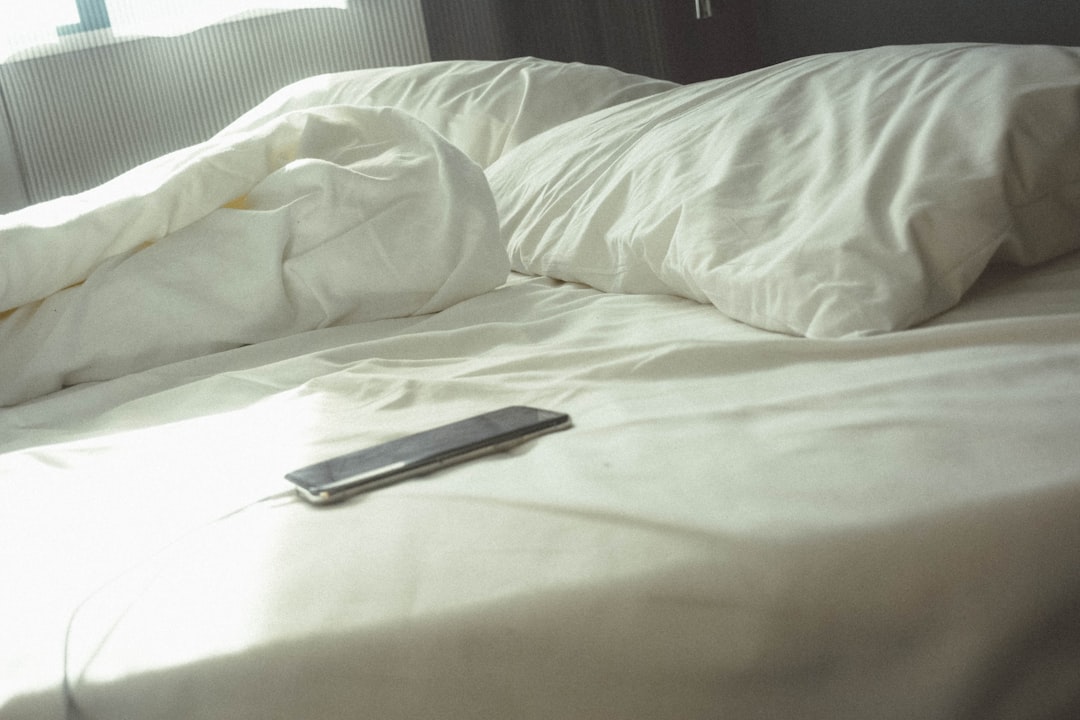
Most applications ask you to place your phone on the mattress near your pillow or on a bedside table. The positioning allows the sensors to detect even subtle movements. Some newer models integrate with wearable devices like smartwatches, which can measure heart rate variability and blood oxygen levels for even more precise tracking.
The Science Behind Sleep Cycle Detection
Your body cycles through different sleep stages approximately every 90 minutes throughout the night. A typical sleep cycle includes:
- Light Sleep (N1 and N2): The transition period where your body begins to relax and slow down
- Deep Sleep (N3): The restorative phase where physical recovery happens
- REM Sleep: When most dreaming occurs and memory consolidation takes place
Sleep monitoring apps identify these stages by correlating movement patterns with established sleep research. When you barely move for extended periods, the app registers deep sleep. Frequent small movements indicate lighter sleep phases. This data creates a visual graph showing your complete sleep architecture.
📊 Key Features That Make These Apps Indispensable
Modern sleep monitoring applications offer far more than simple tracking. They’ve evolved into comprehensive sleep improvement systems with features designed to address various sleep challenges.
Smart Alarm Functionality
Perhaps the most beloved feature is the intelligent wake-up alarm. Instead of jolting you awake from deep sleep, these apps monitor your sleep cycles and wake you during a light sleep phase within your specified time window. This results in feeling more refreshed and alert, even with the same total sleep duration.
For example, if you set your alarm for 7:00 AM with a 30-minute window, the app might wake you at 6:45 AM if you’re in light sleep, rather than waiting until 7:00 AM when you might be in deep sleep.
Sound Recording and Snoring Detection
Many people don’t realize they snore or talk in their sleep until a partner mentions it. Sleep apps record audio throughout the night, capturing snoring, sleep talking, teeth grinding, and even external noises that might disrupt your rest. These recordings provide valuable insights into sleep quality issues you might not be aware of.
The snoring detection feature is particularly useful for identifying potential sleep apnea, a serious condition where breathing repeatedly stops during sleep. While apps can’t diagnose medical conditions, they can alert you to patterns worth discussing with a healthcare provider.
Sleep Debt Calculator and Statistics
Sleep debt accumulates when you consistently get less sleep than your body needs. Most adults require 7-9 hours nightly, but individual needs vary. Sleep monitoring apps calculate your average sleep duration and compare it against recommended amounts, showing you exactly how much sleep debt you’ve accumulated.
Long-term statistics reveal patterns you might miss otherwise. You might discover you sleep poorly every Monday night due to weekend schedule changes, or that your sleep quality drops during full moons. These insights empower you to make informed adjustments.
🎯 Choosing the Right Sleep Monitoring App for Your Needs
The market offers dozens of sleep monitoring apps, each with unique strengths. Your ideal choice depends on your specific goals, budget, and technical preferences.
Factors to Consider Before Downloading
Free versions typically offer basic tracking and smart alarms, while premium subscriptions unlock detailed analytics, snoring detection, sleep aid sounds, and personalized recommendations. Consider whether you want simple tracking or comprehensive sleep optimization tools.
Battery consumption matters significantly. Some apps drain batteries faster due to continuous sensor monitoring. Check user reviews specifically mentioning battery performance, especially if you don’t charge your phone overnight.
Privacy concerns are legitimate. Sleep data is highly personal, including audio recordings from your bedroom. Research the app’s privacy policy to understand how your data is stored, whether it’s shared with third parties, and if you can delete your information.
Integration with Other Health Platforms
If you already use fitness trackers or health apps, choosing a sleep monitor that integrates seamlessly creates a comprehensive health picture. Many apps sync with Apple Health, Google Fit, or Samsung Health, allowing you to see correlations between exercise, nutrition, and sleep quality.
Wearable device compatibility extends functionality significantly. Smartwatches provide more accurate data through continuous heart rate monitoring and don’t require your phone to be in bed with you. This is particularly beneficial for couples who might disturb each other’s phone-based tracking.
💡 Maximizing the Benefits of Your Sleep Monitoring App
Simply downloading an app won’t magically improve your sleep. You need to actively engage with the data and implement recommended changes for meaningful results.
Establishing Consistent Sleep Routines
Most sleep apps will quickly reveal if your sleep schedule is inconsistent. Going to bed and waking up at different times daily disrupts your circadian rhythm, making quality sleep nearly impossible. Use your app’s data to establish regular sleep and wake times, even on weekends.
The apps often include bedtime reminder features that notify you when it’s time to start winding down. This helps create a buffer period for relaxation before sleep, rather than scrolling social media until the moment you turn off the lights.
Optimizing Your Sleep Environment
Sound recordings might reveal that traffic noise, a snoring partner, or household sounds disrupt your sleep more than you realized. Many apps include white noise, nature sounds, or ambient music to mask disruptive noises and promote better sleep.
Temperature, light, and comfort significantly impact sleep quality. While apps can’t measure room temperature directly, you can add notes about environmental conditions and correlate them with sleep quality scores. Over time, you’ll identify your optimal sleep environment.
Tracking Lifestyle Factors
Advanced sleep apps allow you to log daily activities like caffeine consumption, exercise, alcohol intake, and stress levels. This creates a comprehensive picture of how lifestyle choices affect your sleep. You might discover that afternoon coffee ruins your sleep, or that evening walks dramatically improve rest quality.
Medication tracking is another valuable feature. If you take sleep aids, allergy medications, or other drugs, logging them helps you understand their impact on sleep architecture. This information is invaluable when discussing sleep issues with healthcare providers.
🔬 The Accuracy Question: How Reliable Are These Apps?
While sleep monitoring apps provide useful insights, they’re not as accurate as clinical polysomnography conducted in sleep laboratories. Understanding their limitations helps you use them effectively without over-relying on potentially imperfect data.
Comparing App Data to Clinical Sleep Studies
Research comparing consumer sleep apps to professional sleep studies shows varying accuracy levels. Most apps correctly identify when you’re asleep versus awake about 85-95% of the time. However, distinguishing between specific sleep stages is less accurate, typically ranging from 60-80% accuracy.
This means your app might misclassify some deep sleep as light sleep or vice versa. However, the overall trends remain valuable. If your app shows consistently low deep sleep percentages, that pattern likely reflects reality, even if individual nights aren’t perfectly accurate.
Wearables vs. Phone-Based Tracking
Smartwatches and fitness trackers generally provide more accurate sleep data than phone-based apps. They measure physiological signals like heart rate variability, which more reliably indicates sleep stages than movement alone.
However, phone-based apps still offer significant value, especially for identifying snoring, sleep talking, and overall sleep duration. They’re also more accessible since most people already own smartphones but might not want to invest in wearables.
🌟 Real-World Success Stories and Practical Applications
Thousands of users have transformed their sleep quality through consistent app usage and data-driven adjustments. These practical applications demonstrate the real-world value beyond simple tracking.
Identifying Undiagnosed Sleep Disorders
Many users discover potential sleep apnea through snoring detection features. One user reported that after weeks of recorded gasping sounds and breathing interruptions, they consulted a doctor and received treatment for moderate sleep apnea. This potentially life-saving intervention started with a free smartphone app.
Insomnia patterns become clear when tracked over time. Instead of subjective feelings about sleep quality, you have objective data showing exactly how long it takes to fall asleep and how many times you wake during the night. This information helps healthcare providers recommend appropriate treatments.
Athletes Optimizing Recovery
Professional and amateur athletes increasingly use sleep monitoring to optimize training recovery. Deep sleep is when physical repair happens, so tracking ensures adequate recovery between intense workouts. Some athletes adjust training intensity based on sleep quality scores, preventing overtraining and reducing injury risk.
The correlation between sleep and performance becomes undeniable when tracked consistently. Many athletes report that improving sleep from 6 to 8 hours nightly produces more performance gains than additional training volume.
🛡️ Privacy and Security Considerations
Sleep monitoring apps collect intimate data about your most vulnerable hours. Understanding privacy implications ensures you’re comfortable with how your information is handled.
What Data Do These Apps Collect?
Beyond sleep cycles and duration, apps may record audio from your bedroom, track your location (to adjust for time zones), and collect information about your phone usage patterns. Some apps analyze this data locally on your device, while others upload it to cloud servers for processing.
Read privacy policies carefully before granting microphone and sensor permissions. Look for apps that allow you to disable audio recording if you’re uncomfortable with that level of monitoring. Many apps function adequately with movement tracking alone.
Protecting Your Sleep Data
Choose apps from reputable developers with clear privacy policies. Avoid apps requesting unnecessary permissions unrelated to sleep tracking, as these might be collecting data for advertising purposes. Enable password protection or biometric security on the app if available, especially if you’re recording audio.
Regularly review what data is stored and delete old recordings you no longer need. Most apps allow you to export your data, giving you control over your information if you decide to switch applications or stop using the service.
🚀 Future Trends in Sleep Monitoring Technology
Sleep monitoring technology continues evolving rapidly, with exciting developments on the horizon that will make these tools even more powerful and accurate.
Artificial Intelligence and Personalized Recommendations
Next-generation apps are incorporating machine learning algorithms that don’t just track sleep—they predict sleep quality based on daily activities and provide personalized recommendations. These systems learn your unique patterns and suggest optimal bedtimes, ideal room temperatures, and beneficial pre-sleep routines tailored specifically to you.
AI-powered apps might notice that your sleep quality drops 48 hours after consuming alcohol, or that meditation 30 minutes before bed increases your deep sleep by 15%. These personalized insights are far more valuable than generic sleep advice.
Integration with Smart Home Systems
Imagine your sleep app communicating with your smart thermostat to lower bedroom temperature at your optimal sleep time, dimming smart lights gradually as bedtime approaches, and even adjusting your mattress firmness based on tracked preferences. This integration is already beginning and will become standard in coming years.
Some experimental systems even adjust environmental factors automatically during the night. If you’re experiencing restless sleep, the system might subtly change room temperature or activate white noise to help you transition back to deeper sleep stages.
💤 Making Sleep Monitoring a Sustainable Habit
The most sophisticated app provides zero benefit if you stop using it after two weeks. Building sustainable tracking habits maximizes long-term sleep improvement.
Starting Small and Building Consistency
Don’t feel pressured to use every feature immediately. Start with basic sleep tracking and the smart alarm. Once that becomes routine, gradually explore additional features like sleep notes, audio recording, or guided meditation content.
Set realistic expectations. Your sleep won’t transform overnight. Look for gradual improvements over weeks and months. Celebrate small victories like falling asleep 10 minutes faster or reducing nighttime awakenings from five to three.
Using Data Without Obsessing
Some users develop orthosomnia—anxiety about achieving perfect sleep scores. Remember that these apps provide useful trends, not absolute truth. An occasional poor sleep score doesn’t mean failure. Life happens, and sleep naturally varies.
Check your app’s statistics weekly rather than obsessing over daily scores. This broader perspective reveals meaningful patterns without creating unnecessary stress. Use the data as a tool for improvement, not a report card judging your worth.
🎁 Transforming Your Nights, One Sleep Cycle at a Time
Sleep monitoring apps represent one of the most accessible and effective tools for improving overall health and wellbeing. By providing visibility into the mysterious third of our lives spent sleeping, they empower us to make informed decisions that compound into significant quality-of-life improvements.
Whether you’re struggling with chronic sleep issues, want to optimize athletic recovery, or simply feel curious about your sleep patterns, there’s tremendous value in exploring these applications. The initial effort of downloading an app and adjusting your nighttime routine pays dividends in increased energy, improved mood, better cognitive function, and enhanced physical health.
Start tonight. Download a sleep monitoring app, place your phone appropriately, and begin your journey toward understanding and improving your sleep. The insights waiting in your data might surprise you, and the changes you implement could transform not just your nights, but your entire life. Sweet dreams and data-driven rest await! 🌙✨
