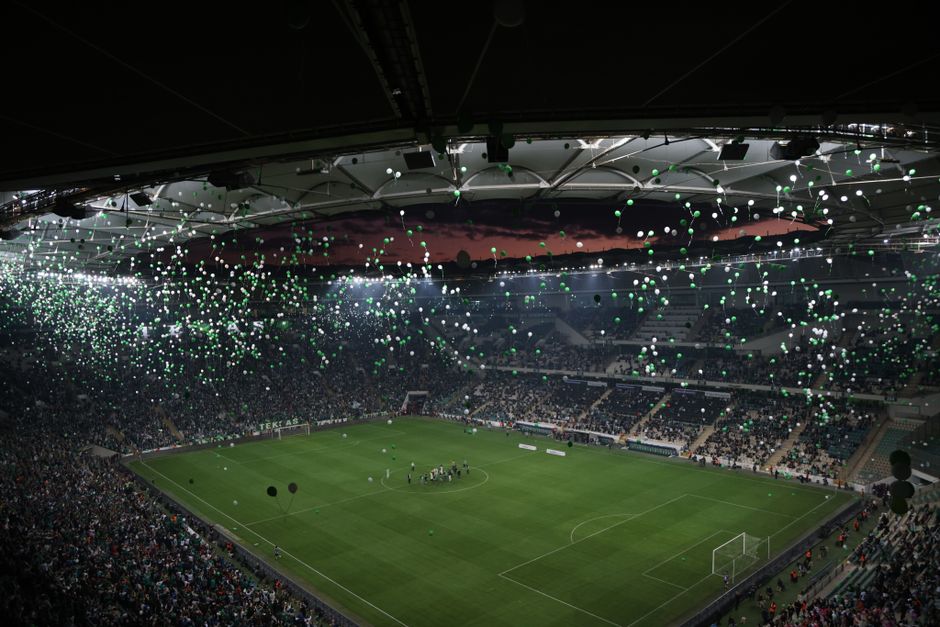
Saudi Arabia has had memorable moments in FIFA World Cup history, including stunning upsets and passionate performances that captured global attention.
The Green Falcons, as the Saudi Arabian national team is affectionately known, have participated in six FIFA World Cup tournaments since their debut in 1994. Their journey through football’s most prestigious competition has been marked by historic victories, heartbreaking defeats, and unforgettable moments that continue to inspire generations of fans across the Middle East and beyond.
From their remarkable run in the United States to shocking the world against Argentina in Qatar, Saudi Arabia’s World Cup story is one of determination, pride, and the beautiful unpredictability of football. Let’s explore every match the Green Falcons have played on soccer’s biggest stage, celebrating their achievements and examining their evolution as a competitive force in international football.
## ⚽ Saudi Arabia’s Historic World Cup Debut – USA 1994
Saudi Arabia made their World Cup debut at the 1994 tournament in the United States, immediately making an impact that exceeded all expectations. Under the guidance of coach Jorge Solari, the team qualified from a challenging Asian confederation and arrived in America with modest expectations but fierce determination.
Their opening match against the Netherlands in Washington D.C. seemed like a baptism of fire. The Dutch, featuring stars like Dennis Bergkamp and Ronald Koeman, were overwhelming favorites. However, Saudi Arabia showed remarkable composure in a 2-1 defeat, demonstrating they belonged on the world stage.
The second match brought historic triumph. Facing Morocco in New York, Saudi Arabia secured their first-ever World Cup victory with a convincing 2-1 win. Goals from Fuad Amin and Fahad Al-Ghesheyan sent the Saudi supporters into raptures and proved the team’s quality wasn’t accidental.
The crowning achievement came in their final group match against Belgium. In a stunning display of attacking football, Saudi Arabia demolished the European side 1-0, with Saeed Al-Owairan scoring one of the tournament’s most memorable goals after a mesmerizing solo run. This victory secured their passage to the Round of 16, marking Saudi Arabia’s greatest World Cup achievement to date.
Their tournament ended against Sweden in Dallas, where they faced a 3-1 defeat. However, the damage was already done to perceptions—Saudi Arabia had announced themselves as a serious Asian football power.
## 🌍 France 1998: The Challenge of Defending Success
Four years later, Saudi Arabia returned to the World Cup in France with high hopes of replicating their 1994 success. The team had matured, and expectations across the Kingdom were substantial.
Their opening match against Denmark in Lens proved difficult. The Scandinavians won 1-0 in a tightly contested encounter where Saudi Arabia showed defensive solidity but lacked cutting edge in attack.
The second match brought one of Saudi Arabia’s most painful World Cup memories. Facing hosts France in Saint-Denis, the Green Falcons were overwhelmed by a French side destined to win the tournament. Goals from Thierry Henry and David Trezeguet secured a 4-0 victory for Les Bleus, exposing the gap between Saudi Arabia and Europe’s elite.
Their final group match against South Africa in Bordeaux offered a chance for redemption. In an entertaining encounter, Saudi Arabia fought back from behind to secure a 2-2 draw, with goals from Sami Al-Jaber and Yousuf Al-Thunayan preserving some pride. However, it wasn’t enough to advance from the group stage.

## 🇰🇷🇯🇵 Korea-Japan 2002: A Tournament of Struggle
The 2002 World Cup, co-hosted by South Korea and Japan, presented Saudi Arabia with a challenging draw. Placed in Group E alongside Germany, Ireland, and Cameroon, the Green Falcons faced an uphill battle from the outset.
Their opening match against Germany in Sapporo was a sobering experience. The three-time world champions dominated completely, with Miroslav Klose scoring a hat-trick in an 8-0 demolition. It remains Saudi Arabia’s heaviest World Cup defeat and one of the most lopsided matches in tournament history.
Recovering from such devastation required mental fortitude. Against Cameroon in Saitama, Saudi Arabia showed improved organization but still fell to a 1-0 defeat, with Samuel Eto’o scoring the decisive goal.
The final group match against Ireland in Yokohama offered little consolation. The Europeans secured a 3-0 victory, leaving Saudi Arabia without a point or goal in the tournament. It was a disappointing campaign that prompted significant soul-searching about Saudi football’s direction.
## 🇩🇪 Germany 2006: Searching for Redemption
Four years later, Saudi Arabia arrived in Germany determined to restore pride after their 2002 struggles. Drawn into Group H with Spain, Ukraine, and Tunisia, they faced another demanding challenge.
Their opening match against Tunisia in Munich provided genuine hope. In an all-Arab encounter, Saudi Arabia dominated possession and created numerous chances, ultimately winning 2-1 with goals from Yasser Al-Qahtani and Sami Al-Jaber. The victory suggested better things ahead.
Reality arrived swiftly against Ukraine in Hamburg. The Eastern Europeans, featuring stars like Andriy Shevchenko, secured a comfortable 4-0 victory, exposing defensive vulnerabilities that would plague Saudi Arabia throughout the tournament.
The final group match against Spain in Kaiserslautern offered little hope. The Spanish dominated possession and secured a 1-0 victory, though Saudi Arabia showed improved defensive organization compared to previous matches. They departed Germany with three points but eliminated in the group stage once again.
## 🏆 Russia 2018: Return After Absence
After missing the 2010 and 2014 tournaments, Saudi Arabia returned to the World Cup stage in Russia with renewed ambition. Under Argentine coach Juan Antonio Pizzi, expectations were measured but hopeful.
Their opening match against hosts Russia in Moscow’s Luzhniki Stadium proved catastrophic. Before a global television audience, Russia demolished Saudi Arabia 5-0 in the tournament’s opening match. Goals from Denis Cheryshev and Artem Dzyuba highlighted defensive frailties that shocked Saudi supporters.
Against Uruguay in Rostov-on-Don, Saudi Arabia showed improved organization but still fell to a 1-0 defeat against a superior South American side. Luis Suárez scored the only goal, and while the margin was respectable, Saudi Arabia needed victory to maintain elimination hopes.
The final group match against Egypt in Volgograd brought salvation and celebration. Despite both teams being eliminated, Saudi Arabia produced their best performance of the tournament, winning 2-1 with a dramatic late goal from Salem Al-Dawsari. The victory provided positive momentum heading into future campaigns.
## 🎉 Qatar 2022: The Miracle Against Argentina
Saudi Arabia’s participation in the Qatar 2022 World Cup will forever be remembered for one of the tournament’s greatest upsets. Drawn into Group C with Argentina, Mexico, and Poland, few gave the Green Falcons any chance of advancing.
Their opening match against Argentina at Lusail Stadium created history. Facing a team featuring Lionel Messi and riding a 36-match unbeaten streak, Saudi Arabia produced a performance for the ages. After falling behind to a Messi penalty, the Green Falcons transformed after halftime, with goals from Saleh Al-Shehri and Salem Al-Dawsari securing a stunning 2-1 victory.
The result sent shockwaves through the football world and was celebrated as a national holiday in Saudi Arabia. It represented the pinnacle of Saudi football achievement and demonstrated the unpredictable beauty of the World Cup.
Against Poland in Education City Stadium, Saudi Arabia sought to build on their momentum. However, they fell to a 2-0 defeat despite creating opportunities. The loss complicated their qualification hopes significantly.
The final group match against Mexico in Lusail offered a chance at historic qualification. In a dramatic encounter, Saudi Arabia took an early lead through Salem Al-Dawsari but ultimately fell to a 2-1 defeat. Despite the loss, their campaign was celebrated for the unforgettable victory over Argentina.
## 📊 Overall World Cup Statistics and Records
Across six World Cup tournaments, Saudi Arabia has compiled a record that reflects both triumph and struggle. They’ve played 17 matches total, winning 4, drawing 2, and losing 11. Their goal difference stands at -5, with 13 goals scored and 18 conceded.
Their most successful tournament remains USA 1994, where they reached the Round of 16. Their worst performance came in Korea-Japan 2002, where they failed to score a single goal while conceding 12.
Salem Al-Dawsari and Sami Al-Jaber are among Saudi Arabia’s most prolific World Cup scorers, with Al-Jaber’s contributions across multiple tournaments cementing his legacy as a national hero.
## 🌟 Legendary Players Who Defined Saudi Arabia’s World Cup Journey
Several players have become synonymous with Saudi Arabia’s World Cup story. Saeed Al-Owairan’s magnificent solo goal against Belgium in 1994 remains one of the tournament’s all-time great strikes. His dribbling run from inside his own half epitomized Saudi Arabia’s fearless approach.
Sami Al-Jaber participated in four World Cups (1994, 1998, 2002, 2006), making him one of the most experienced Saudi players in tournament history. His dedication and consistency made him a beloved figure across generations.
Mohamed Al-Deayea, the legendary goalkeeper, provided stability and leadership across multiple tournaments. His shot-stopping ability and commanding presence offered Saudi Arabia defensive security during challenging matches.
Salem Al-Dawsari has emerged as the modern face of Saudi football, scoring crucial goals in both 2018 and 2022, including the historic winner against Argentina that will be remembered forever.
## 🔮 Looking Toward Future World Cups
Saudi Arabia’s investment in football development suggests brighter futures ahead. The Saudi Pro League has attracted global stars, raising domestic competition standards and providing young players with opportunities to learn from world-class talent.
The country’s bid to host the 2034 World Cup demonstrates their ambition to become a central player in global football. Success in that bid would provide unprecedented opportunities to showcase Saudi football culture to the world.
Youth development programs and improved coaching infrastructure are creating pathways for talented youngsters to reach international standards. The Vision 2030 initiative includes substantial football investment aimed at producing competitive national teams.
## 🎯 The Cultural Impact of World Cup Participation
For Saudi Arabia, World Cup participation transcends sport. These tournaments unite the nation, providing moments of collective joy and pride that strengthen social bonds across diverse regions.
The victory over Argentina in 2022 became a cultural phenomenon, celebrated in streets, schools, and homes across the Kingdom. It demonstrated football’s unique power to inspire and bring people together regardless of background.
Young Saudis grow up dreaming of representing their country at the World Cup, inspired by heroes who’ve worn the green jersey on football’s biggest stage. These dreams fuel grassroots participation and create generations of passionate supporters.
## 💪 Tactical Evolution Across Tournaments
Saudi Arabia’s tactical approach has evolved significantly across their World Cup campaigns. The attacking freedom of 1994 gave way to more conservative approaches in subsequent tournaments as coaches prioritized defensive organization.
Recent tournaments have seen attempts to balance defensive solidity with quick counter-attacking opportunities, utilizing the pace and technical ability of players like Salem Al-Dawsari and Fahad Al-Muwallad.
Foreign coaches have brought diverse philosophies, from Jorge Solari’s attacking mentality in 1994 to more structured European approaches in later tournaments. Finding the right balance between international expertise and understanding Saudi football culture remains an ongoing challenge.
## 🏅 Memorable Moments Beyond Results
Beyond wins and losses, Saudi Arabia’s World Cup story includes countless memorable moments. The passionate support from Saudi fans, often traveling in large numbers to distant venues, creates unforgettable atmospheres.
The respect shown by opponents after matches demonstrates the sportsmanship Saudi teams have consistently displayed. Even in defeat, the dignity and grace shown by Saudi players have earned international admiration.
Individual performances in losing efforts, defensive stands against superior opponents, and moments of technical brilliance have all contributed to a rich World Cup legacy that extends beyond the results column.
## 🌐 Saudi Arabia’s Growing Football Influence
The Kingdom’s football influence continues expanding through strategic investments and hosting major tournaments. The Spanish Super Cup has been held in Saudi Arabia, bringing top European clubs to Middle Eastern audiences.
The acquisition of global superstars by Saudi Pro League clubs has raised the domestic competition’s profile dramatically. While controversial, these signings provide Saudi players with daily training alongside world-class talent.
Grassroots initiatives are identifying and developing young talent earlier, creating pathways to professional careers. The combination of infrastructure investment and cultural emphasis on football suggests Saudi Arabia’s World Cup performances will continue improving.


## 🎊 The Enduring Legacy of the Green Falcons
Saudi Arabia’s World Cup journey represents more than statistics and results. It’s a story of a nation’s football passion, the dedication of players who’ve represented their country with pride, and moments that have created lasting memories for millions of supporters.
From the breakthrough in 1994 to the miracle in 2022, each tournament has added chapters to a continuing story. The defeats have taught valuable lessons about the standards required to compete at the highest level, while victories have provided inspiration and proof that Saudi football belongs on the world stage.
As Saudi Arabia looks toward future World Cups, including potentially hosting in 2034, the foundation built across six previous tournaments provides both legacy and motivation. The Green Falcons will continue their quest for glory, carrying the hopes of a football-loving nation that believes in their potential to achieve greatness on the beautiful game’s biggest stage. ⚽🇸🇦