
Anúncios
In today’s volatile world, the ability to bounce back from adversity isn’t just valuable—it’s essential for sustained success and peak performance in any endeavor.
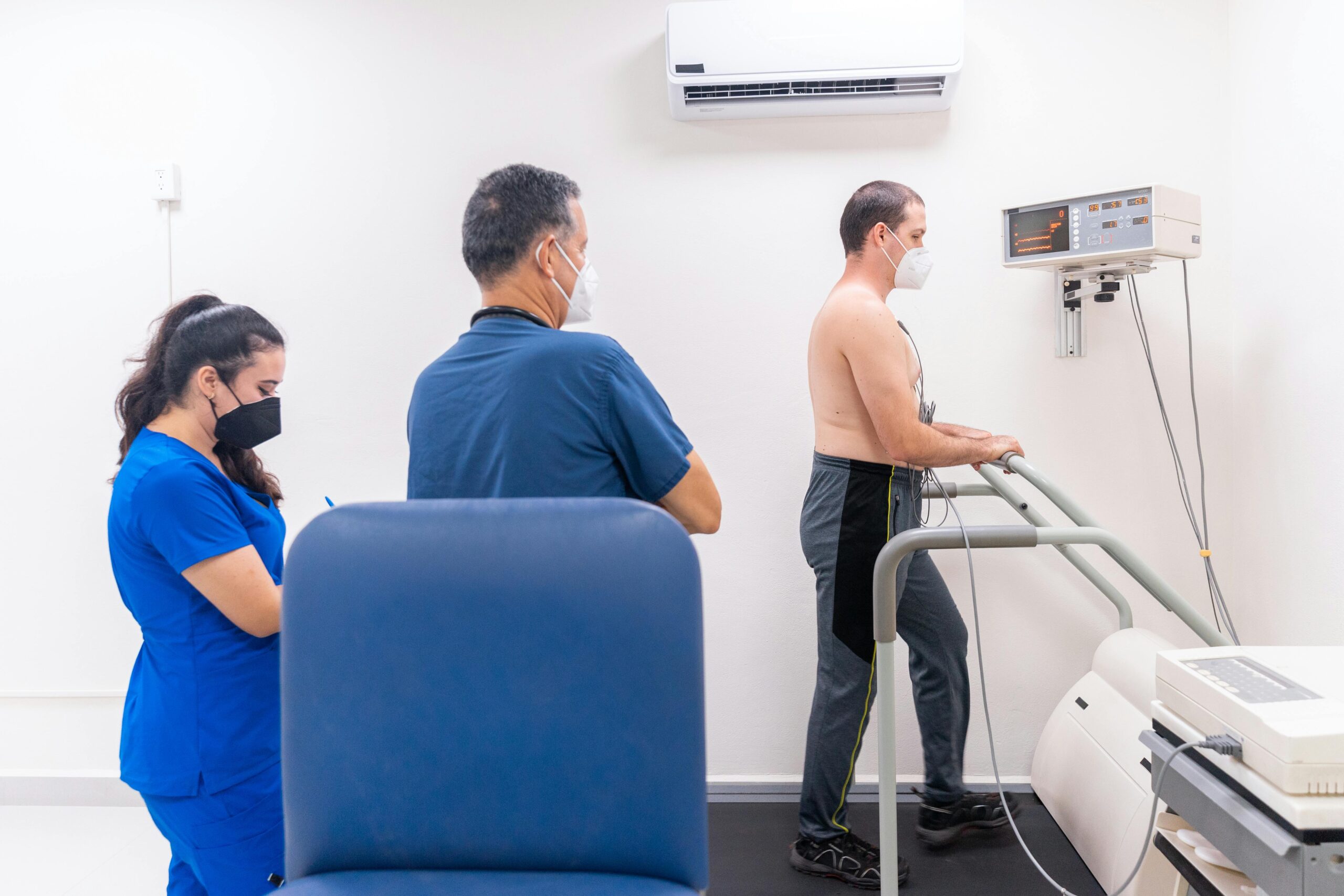
Resilience has become one of the most sought-after qualities in modern life, whether you’re an athlete pushing physical limits, a business leader navigating market turbulence, or an individual facing personal challenges. But resilience isn’t simply about enduring hardship; it’s about strategically preparing yourself to handle stress, adapt quickly, and emerge stronger from difficult situations. This is where the concepts of stress testing and simulation become game-changers in building unstoppable performance.
Anúncios
The science behind resilience has evolved dramatically over the past two decades. What was once considered an innate personality trait is now understood as a skill that can be deliberately developed, refined, and strengthened through intentional practice. Stress testing and simulation provide the framework for this development, allowing individuals and organizations to expose themselves to controlled challenges that build adaptive capacity without the devastating consequences of real-world failure.
🧠 The Neuroscience Behind Resilience Training
Understanding how your brain responds to stress is fundamental to mastering resilience. When you encounter a stressful situation, your amygdala—the brain’s alarm system—triggers a cascade of physiological responses designed for survival. Your heart rate increases, cortisol floods your system, and your body prepares for fight or flight. While this response was evolutionarily advantageous for escaping predators, it’s often counterproductive in modern contexts where thoughtful decision-making is required.
Anúncios
Stress testing works by repeatedly exposing your nervous system to controlled challenges, which gradually recalibrates your stress response threshold. Through repeated exposure in safe environments, your brain learns to distinguish between genuine threats and manageable challenges. This neuroplasticity—your brain’s ability to rewire itself—is the biological foundation of resilience training.
Research from leading neuroscience institutions has demonstrated that individuals who regularly engage in stress testing and simulation activities show measurable changes in brain structure. The prefrontal cortex, responsible for executive function and emotional regulation, becomes more active and robust. Meanwhile, the amygdala’s reactivity decreases, allowing for more balanced responses to stressful situations. This neurological remodeling translates directly into improved performance under pressure.
🎯 Strategic Stress Testing: Beyond the Breaking Point
Effective stress testing isn’t about pushing yourself to collapse. Rather, it’s about systematically identifying your current limits and gradually expanding them through calculated exposure to increasingly demanding scenarios. This approach requires honesty about your current capacities and a structured methodology for progressive overload—a principle borrowed from athletic training that applies equally well to mental and emotional resilience.
The first step in strategic stress testing is establishing your baseline. This means honestly assessing how you currently respond to various types of stress: time pressure, social conflict, physical discomfort, uncertainty, or resource scarcity. Each person has a unique stress profile with different vulnerabilities and strengths. Some individuals thrive under time constraints but struggle with ambiguity, while others handle uncertainty well but become paralyzed by interpersonal conflict.
Once you’ve identified your stress profile, you can design targeted stress tests that address your specific vulnerabilities. For example, if public speaking triggers intense anxiety, your stress testing protocol might begin with recording yourself speaking alone, progress to presenting to a trusted friend, then expand to small groups before eventually tackling larger audiences. Each step provides controlled exposure that builds capacity without overwhelming your system.
The Five Pillars of Effective Stress Testing
Successful stress testing programs incorporate five essential elements that maximize growth while minimizing the risk of counterproductive trauma or burnout:
- Graduated exposure: Start with manageable challenges and progressively increase difficulty as capacity grows, ensuring each level is conquered before advancing.
- Safe failure environment: Create conditions where mistakes have real consequences but not catastrophic ones, allowing for genuine learning without devastating setbacks.
- Immediate feedback loops: Establish mechanisms for rapid assessment of performance, enabling quick adjustments and reinforcing positive adaptations.
- Recovery integration: Build in adequate rest and reflection periods between stress tests, as adaptation occurs during recovery, not during the stress itself.
- Variability and randomness: Introduce unpredictable elements that mirror real-world complexity, preventing over-optimization for specific scenarios while building general resilience.
🔬 Simulation as Your Performance Laboratory
While stress testing reveals your limits and gradually expands them, simulation provides a risk-free environment for rehearsing responses to specific high-stakes scenarios. Elite performers across all domains—from military special forces to championship athletes to crisis management teams—rely heavily on simulation to prepare for moments when failure isn’t an option.
The power of simulation lies in its ability to compress time and create repetition. A pilot can experience dozens of engine failure scenarios in a flight simulator without ever leaving the ground. A surgeon can practice complex procedures on sophisticated models before operating on actual patients. A business leader can navigate simulated market crashes, learning from mistakes that would be career-ending in reality.
Modern simulation technology has made this training methodology accessible far beyond traditional high-stakes professions. Virtual reality environments can recreate anxiety-inducing social situations for those working on confidence. Mental rehearsal techniques allow athletes to visualize competitive scenarios with remarkable neurological effects. Even simple role-playing exercises provide valuable simulation experiences that build response patterns.
Mental Simulation: The Most Portable Training Tool
Perhaps the most underutilized form of simulation is purely mental rehearsal. Neuroscience research has demonstrated that vividly imagining yourself performing an action activates many of the same neural pathways as actually performing it. This means you can build resilience and refine performance responses simply through dedicated mental practice.
Effective mental simulation involves more than casual daydreaming. It requires creating detailed, multi-sensory scenarios that incorporate potential obstacles and your specific responses to them. Olympic athletes spend hours mentally rehearsing their performances, including how they’ll respond if things go wrong—equipment malfunction, unexpected weather, or physical discomfort. This preparation creates neural templates that can be activated instantly when similar situations arise in reality.
For business professionals, mental simulation might involve rehearsing difficult conversations with employees, visualizing responses to unexpected questions during presentations, or imagining how you’ll maintain composure during market volatility. The key is specificity and emotional engagement—the more realistically you can imagine both the external situation and your internal experience, the more effective the simulation becomes.
💪 Building Physical Resilience Through Controlled Stress
Physical resilience serves as both a foundation for mental resilience and a practical domain for learning stress adaptation principles. Your body’s response to physical challenges provides immediate, tangible feedback that makes the resilience-building process concrete and measurable.
Hormetic stress—beneficial stress that triggers adaptive responses—is a well-established principle in physical training. When you lift weights, your muscle fibers experience microscopic damage. During recovery, they rebuild stronger than before. When you practice cold exposure, your body adapts by improving thermoregulation and metabolic efficiency. When you train at altitude, your system responds by producing more oxygen-carrying red blood cells.
These physical adaptations have psychological parallels. The discipline required to maintain a challenging exercise routine builds mental fortitude. The experience of pushing through discomfort during a workout strengthens your capacity to persist through non-physical challenges. The confidence gained from achieving physical goals transfers to other domains of your life.
| Physical Stress Method | Primary Adaptation | Resilience Transfer |
|---|---|---|
| High-intensity interval training | Cardiovascular efficiency | Sustained performance under pressure |
| Cold exposure therapy | Metabolic flexibility | Comfort with discomfort |
| Breath-hold training | CO2 tolerance | Emotional regulation capacity |
| Progressive overload lifting | Muscular strength | Incremental challenge management |
| Endurance training | Aerobic capacity | Long-term persistence |
🎭 Emotional Stress Inoculation for Peak Performance
While physical stress testing is relatively straightforward, emotional resilience requires more nuanced approaches. Emotional stress inoculation involves deliberately exposing yourself to situations that trigger uncomfortable emotions in controlled contexts where you can practice regulatory strategies.
This might involve intentionally engaging in activities that provoke mild anxiety, such as speaking up in meetings when you’d normally stay quiet, or initiating social interactions that feel slightly uncomfortable. The goal isn’t to eliminate emotional responses but to expand your window of tolerance—the range of emotional intensity you can experience while maintaining effective functioning.
Rejection therapy exemplifies this approach. Participants deliberately seek out situations where rejection is likely—asking strangers for unusual favors, requesting discounts at stores, or proposing unconventional ideas—not because they want these things, but to desensitize themselves to the fear of rejection. Over time, the emotional sting of “no” diminishes, freeing them to take necessary risks without paralyzing fear.
Creating Your Emotional Resilience Protocol
Developing emotional resilience requires a personalized approach based on your specific vulnerabilities. If uncertainty triggers anxiety, you might practice making decisions with incomplete information in low-stakes situations. If criticism activates defensive reactions, you might deliberately seek feedback from trusted sources while practicing non-reactive listening.
The key is maintaining a curious, experimental mindset rather than viewing these exercises as tests you might fail. Each emotional challenge is data collection—an opportunity to observe your reactions, test response strategies, and refine your approach. This investigative stance itself builds resilience by reframing difficult emotions from threats to be avoided into experiences to be studied.
🏢 Organizational Resilience Through Systematic Testing
Resilience isn’t only an individual capacity; organizations must also develop collective resilience to navigate disruption and maintain performance during turbulent periods. The same principles of stress testing and simulation that build individual resilience can be scaled to team and organizational levels.
Crisis simulation exercises, also known as tabletop exercises, allow leadership teams to rehearse responses to potential disasters—cyberattacks, supply chain disruptions, reputation crises, or sudden competitive threats. These simulations reveal coordination weaknesses, communication gaps, and decision-making bottlenecks before they matter in real emergencies.
Red team exercises, where dedicated groups attempt to find vulnerabilities in systems, strategies, or products, provide another form of organizational stress testing. By actively trying to break their own systems, organizations identify weaknesses while they can still be addressed proactively rather than discovering them through catastrophic failure.
Regular “pre-mortem” sessions—where teams imagine a project has failed and work backwards to identify what went wrong—create psychological safety for acknowledging risks and developing contingency plans. This simulation of failure paradoxically increases success rates by forcing consideration of vulnerabilities that optimistic planning might overlook.
⚡ Recovery: The Hidden Component of Resilience
One of the most common mistakes in resilience training is neglecting recovery. Stress only builds capacity when followed by adequate rest and restoration. Without recovery, repeated stress leads not to resilience but to depletion, burnout, and compromised performance.
Strategic recovery isn’t passive rest but active restoration. It includes practices that accelerate physiological and psychological recovery: quality sleep, proper nutrition, social connection, nature exposure, and stress-reduction techniques like meditation or breath work. Elite performers treat recovery with the same seriousness they apply to training, understanding that adaptation occurs during rest periods, not during the stress itself.
The recovery period is also when consolidation occurs—when experiences are processed, lessons are extracted, and new neural patterns are reinforced. Reflection practices, journaling, and debriefing sessions after stress tests or simulations maximize learning and ensure that experiences translate into genuine capacity growth rather than just accumulated exposure.
🚀 Implementing Your Resilience Development Program
Transforming these principles into practical action requires a structured approach tailored to your specific context and goals. Begin by conducting an honest assessment of your current resilience capacity across different domains—physical, emotional, cognitive, and social. Identify specific situations where increased resilience would significantly impact your performance or quality of life.
Next, design a progressive training program that incorporates both general resilience building and specific preparation for your identified challenge areas. This might combine regular physical training for baseline resilience, mental simulation for specific high-stakes scenarios you’ll face, and graduated exposure to situations that currently trigger disproportionate stress responses.
Track your progress through both subjective measures (how challenging situations feel) and objective indicators (actual performance outcomes under pressure). Adjust your training based on results, increasing difficulty as capacity grows while ensuring adequate recovery to prevent counterproductive overtraining.
Consider working with coaches, trainers, or therapists who specialize in resilience development, particularly when addressing significant vulnerabilities or preparing for exceptionally high-stakes situations. Professional guidance can accelerate progress and prevent common pitfalls that derail self-directed resilience training.
🌟 The Compounding Returns of Resilience Investment
Building resilience through stress testing and simulation represents one of the highest-leverage investments you can make in your personal and professional development. Unlike domain-specific skills that apply only in narrow contexts, resilience capacity transfers across all areas of life, amplifying performance everywhere.
As your resilience grows, you naturally gravitate toward greater challenges because they no longer trigger overwhelming stress responses. This creates a positive feedback loop: increased resilience enables you to tackle more ambitious goals, which further develops your resilience, which opens even greater possibilities. Over time, this compounding effect transforms not just your performance but your entire trajectory.
The most successful individuals and organizations share a common trait: they’ve systematically developed resilience through deliberate exposure to controlled challenges. They view stress not as something to avoid but as raw material for growth. They embrace simulation and testing as essential preparation rather than optional exercises. Most importantly, they understand that unstoppable performance isn’t about never facing obstacles—it’s about being so thoroughly prepared for adversity that obstacles become opportunities for demonstrating hard-won capabilities.
Your journey toward mastering resilience begins with a single step: choosing one area where you’ll implement stress testing or simulation this week. Whether it’s a physical challenge slightly beyond your current comfort zone, a mental rehearsal of an upcoming difficult conversation, or deliberately seeking feedback that might sting, take that first step. Then take another. And another. Over time, these accumulated exposures will forge the unshakeable resilience that separates those who merely survive adversity from those who transform it into fuel for unstoppable performance.
