
Anúncios
Population pressure is reshaping how societies plan for tomorrow, influencing everything from urban design to resource allocation and environmental sustainability.
As the global population continues to grow—approaching 10 billion by 2050—understanding the indicators that measure population pressure has become essential for policymakers, urban planners, and communities striving for resilience. These indicators reveal critical insights about the relationship between human populations and available resources, helping us navigate toward sustainable growth strategies that balance human needs with planetary boundaries.
Anúncios
The concept of population pressure extends far beyond simple headcounts. It encompasses the complex interactions between demographic trends, resource availability, consumption patterns, and environmental capacity. When properly understood and monitored, population pressure indicators become powerful tools for anticipating challenges, identifying opportunities, and designing interventions that promote both human flourishing and ecological health.
🌍 Decoding Population Pressure: More Than Just Numbers
Population pressure refers to the strain that human populations place on their environment and available resources. This pressure manifests in various ways—from overcrowded cities and strained infrastructure to depleted natural resources and environmental degradation. Understanding this pressure requires looking beyond raw population figures to examine the intricate relationship between people, their consumption habits, and the ecosystems supporting them.
Anúncios
Traditional approaches to measuring population pressure often relied on simple density calculations—people per square kilometer. However, contemporary frameworks recognize that population pressure is multidimensional, incorporating factors like resource consumption rates, technological capacity, governance structures, and adaptive capabilities. Two regions with identical population densities can experience vastly different pressure levels depending on these contextual factors.
The significance of population pressure indicators lies in their predictive and diagnostic power. They help identify regions approaching critical thresholds, communities at risk of resource conflicts, and areas where innovation in resource management could yield substantial benefits. By providing early warning signals, these indicators enable proactive rather than reactive policy responses.
📊 Essential Indicators That Measure Population Pressure
Several key indicators have emerged as reliable measures of population pressure, each offering unique insights into different dimensions of human-environment interactions. Understanding these metrics provides a comprehensive picture of sustainability challenges and opportunities.
Population Density and Distribution Patterns
While basic population density remains relevant, sophisticated analyses now examine distribution patterns across urban, suburban, and rural contexts. Spatial distribution reveals concentration hotspots where pressure intensifies, informing targeted infrastructure investments and development strategies. High-resolution mapping technologies combined with demographic data now enable precise identification of pressure zones at neighborhood levels.
Urban population growth rates particularly demand attention, as cities worldwide absorb approximately 200,000 new residents daily. This rapid urbanization concentrates pressure on local resources, infrastructure, and services, while also creating opportunities for efficient resource use through economies of scale and innovative urban solutions.
Resource Availability and Consumption Metrics
The relationship between population and resources forms the heart of pressure analysis. Key indicators include:
- Water stress indices: Measuring freshwater availability per capita and withdrawal rates relative to renewable supplies
- Agricultural land per capita: Tracking available arable land for food production against population needs
- Energy consumption patterns: Assessing per capita energy use and the sustainability of energy sources
- Ecological footprint: Calculating the biologically productive area required to support a population’s lifestyle
- Material flow analysis: Monitoring the extraction, use, and disposal of physical resources
These metrics reveal whether current consumption patterns are sustainable or drawing down natural capital faster than regeneration occurs. Regions where resource consumption significantly exceeds local carrying capacity face heightened vulnerability to supply disruptions and environmental degradation.
Environmental Impact Measurements
Population pressure inevitably affects environmental systems, making ecological indicators crucial for comprehensive assessment. Carbon emissions per capita, air quality indices, water pollution levels, biodiversity loss rates, and land degradation measurements all reflect the environmental dimension of population pressure.
Climate change has elevated the importance of these environmental indicators, as population-driven emissions contribute to global warming while populations simultaneously face increased climate risks. Understanding this feedback loop helps communities develop adaptation strategies that reduce both pressure and vulnerability.
🏙️ Urban Landscapes: Where Pressure Meets Innovation
Cities represent the epicenter of population pressure in the 21st century. With over half the global population now urban—a proportion expected to reach 68% by 2050—understanding urban pressure dynamics is critical for sustainable development.
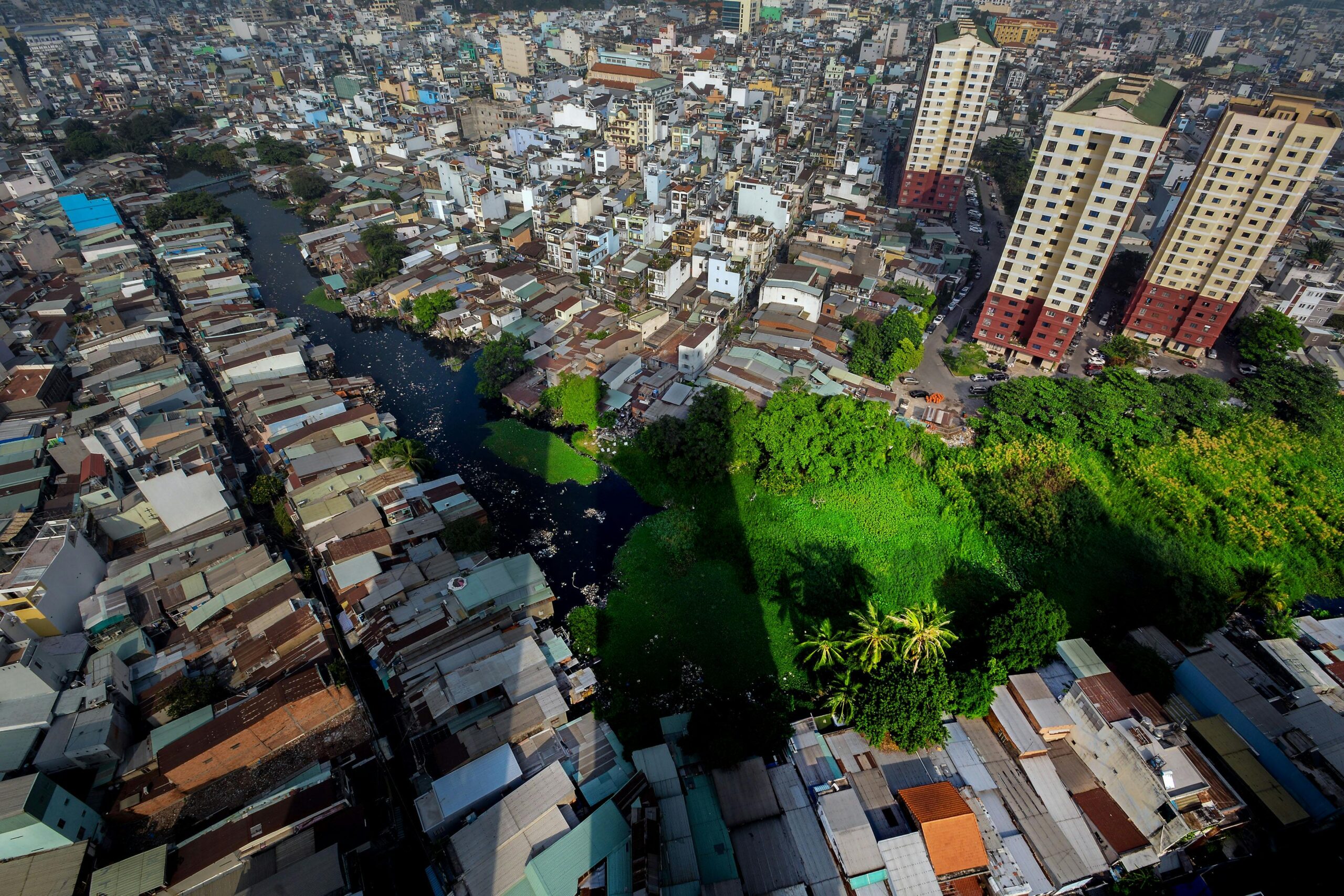
Urban population pressure manifests through multiple channels: housing shortages driving informal settlement growth, transportation infrastructure straining under demand, water and sanitation systems reaching capacity, and waste management struggling with volume increases. Yet cities also concentrate human creativity, economic activity, and innovation capacity, making them both challenge zones and solution hubs.
Smart city technologies now enable real-time monitoring of urban pressure indicators. Sensor networks track traffic congestion, air quality, energy consumption, and infrastructure usage patterns, providing data streams that inform adaptive management. These technological capabilities transform how cities respond to population pressure, enabling dynamic resource allocation and predictive maintenance.
Infrastructure Capacity and Service Delivery
Infrastructure indicators reveal whether physical systems can adequately serve populations. Transportation network sufficiency, housing availability relative to households, healthcare facility accessibility, educational infrastructure capacity, and utilities coverage all measure whether built environments meet population needs.
Infrastructure deficits create cascading pressures—inadequate transportation increases commute times and pollution, housing shortages drive price inflation and inequality, insufficient schools compromise human capital development. Monitoring these indicators helps prioritize infrastructure investments for maximum pressure relief and development impact.
🌾 Rural Realities: Population Pressure in Agricultural Landscapes
While urban areas concentrate population, rural regions face distinct pressure dynamics centered on land use and natural resource management. Agricultural population density relative to arable land, farm size trends, rural-urban migration patterns, and natural resource dependence all characterize rural pressure signatures.
In many developing regions, rural population pressure drives agricultural intensification, sometimes beyond sustainable levels. Soil degradation, groundwater depletion, and deforestation often result when populations extract more from landscapes than regenerative capacities allow. Understanding these dynamics helps design agricultural policies that enhance productivity while preserving ecological foundations.
Conversely, rural depopulation in some regions creates different pressures—aging farming populations, agricultural land abandonment, and rural service decline. These depopulation pressures require distinct policy responses focused on revitalization and sustainable land management transitions.
💡 Technology as a Pressure Valve: Digital Solutions for Population Challenges
Technology increasingly offers pathways to reduce population pressure while maintaining quality of life. Digital platforms optimize resource use, enabling shared economy models that reduce per capita consumption. Precision agriculture technologies increase food production efficiency, reducing land and water pressure. Renewable energy systems decouple energy access from fossil fuel dependence, alleviating environmental pressure.
Data analytics and artificial intelligence now enable sophisticated pressure forecasting, identifying emerging hotspots before crises develop. Geographic information systems integrate multiple pressure indicators into comprehensive spatial analyses, revealing patterns invisible through single-metric approaches. These technological capabilities enhance decision-making quality and intervention timing.
Mobile technology particularly democratizes pressure indicator access, empowering communities with information previously available only to governments and researchers. Citizens can now monitor local environmental quality, report infrastructure failures, and participate in collaborative planning processes through smartphone applications.
🔄 Building Resilience: Adaptive Strategies for High-Pressure Environments
Understanding population pressure indicators provides little value without translating insights into action. Resilience-building strategies help communities thrive despite pressure by enhancing adaptive capacity, diversifying resource bases, and strengthening social cohesion.
Diversification and Redundancy
Resilient systems avoid single points of failure through diversification. Multiple water sources, diverse economic bases, varied food supply chains, and redundant infrastructure systems all buffer against pressure-induced disruptions. Communities monitoring pressure indicators can strategically build redundancy where vulnerability concentrations emerge.
Circular Economy Approaches
Circular economy models fundamentally reduce population pressure by decoupling resource consumption from waste generation. Designing products for longevity and recyclability, recovering materials from waste streams, and shifting from ownership to service models all reduce per capita resource demands. Cities implementing circular strategies demonstrate how populations can grow while environmental pressure decreases.
Nature-Based Solutions
Natural systems provide remarkable pressure absorption capabilities when properly managed. Urban green spaces reduce heat island effects and stormwater pressure, constructed wetlands purify water affordably, agroforestry systems enhance food security while sequestering carbon, and coastal ecosystems buffer storm impacts. Integrating nature-based solutions into pressure management strategies yields multiple co-benefits for both human and ecological communities.
📈 Policy Frameworks: Governing for Sustainable Population Futures
Effective governance transforms population pressure indicators from diagnostic tools into management instruments. Policy frameworks that integrate pressure monitoring into planning processes, establish response triggers for exceeding thresholds, and allocate resources based on pressure assessments create institutional capacity for sustainable population management.
Participatory governance approaches engage communities in pressure monitoring and response design, building social capital while generating locally-appropriate solutions. When residents understand pressure dynamics affecting their lives, they become active partners in sustainability transitions rather than passive policy recipients.
Cross-sectoral coordination proves essential, as population pressure transcends traditional policy silos. Integrated approaches connecting urban planning, environmental management, economic development, and social services create synergies that amplify intervention effectiveness. Breaking down institutional barriers enables holistic responses matching the systemic nature of population pressure challenges.
🌱 From Indicators to Impact: Case Studies in Pressure Management
Real-world examples demonstrate how population pressure indicators guide successful sustainability interventions. Singapore’s comprehensive resource management, developed partly in response to extreme land and water pressure, showcases how monitoring drives innovation. The city-state’s water recycling systems, vertical farming initiatives, and compact urban design all emerged from clear-eyed assessment of population-resource relationships.
Rwanda’s approach to managing high population density through terracing, agroforestry, and cooperative farming illustrates rural pressure management strategies. By recognizing land pressure indicators early, Rwanda implemented policies preventing the soil degradation that affected neighboring regions with similar densities.
Copenhagen’s carbon neutrality pathway demonstrates how cities can reduce environmental pressure while accommodating population growth. Comprehensive monitoring of emissions, energy use, and transportation patterns informed targeted interventions—cycling infrastructure expansion, district heating optimization, and green building standards—that decoupled population from environmental impact.
🔮 Future Horizons: Emerging Trends in Population Pressure Analysis
The field of population pressure assessment continues evolving as new data sources, analytical methods, and theoretical frameworks emerge. Satellite imagery combined with machine learning now enables unprecedented spatial and temporal resolution in pressure monitoring. Real-time data streams from IoT devices provide continuous rather than periodic assessment capabilities.
Climate change integration represents a critical frontier, as population pressure both contributes to and suffers from climate disruption. Future indicator frameworks must capture these bidirectional relationships, helping communities understand their climate vulnerabilities while reducing pressure contributions to global warming.
Demographic transitions—aging populations in some regions, youth bulges in others—will reshape pressure dynamics substantially in coming decades. Indicators must adapt to these shifting demographic structures, recognizing that pressure manifests differently across age distributions and life course stages.
🎯 Turning Knowledge Into Action: Your Role in Sustainable Futures
Understanding population pressure indicators empowers everyone—from policymakers to citizens—to contribute to sustainable futures. Individual consumption choices, community advocacy, professional practice, and civic participation all influence pressure trajectories. Awareness of pressure dynamics enables informed decisions that collectively shape whether populations thrive within planetary boundaries or exceed them with catastrophic consequences.
Educational initiatives spreading pressure literacy help build societal capacity for sustainability transitions. When communities understand carrying capacity concepts, resource limits, and environmental thresholds, they’re better equipped to support necessary policy changes and adopt sustainable practices voluntarily.
The challenges posed by population pressure are significant but not insurmountable. Human ingenuity, technological innovation, and collaborative governance have repeatedly demonstrated remarkable problem-solving capabilities. By clearly understanding pressure indicators and their implications, we equip ourselves with the knowledge foundation needed for creating resilient, sustainable, and thriving communities regardless of population size.
Population pressure represents neither an inevitable crisis nor an unsolvable problem—it’s a measurable, manageable challenge requiring informed action. The indicators discussed throughout this exploration provide the diagnostic tools necessary for this management. Now comes the essential work of translating measurement into meaningful change, ensuring that growing populations enhance rather than diminish the wellbeing of both current and future generations sharing our finite but remarkable planet.
