
Anúncios
Metal detector apps have transformed smartphones into portable treasure-hunting devices, offering a fascinating blend of technology and adventure right in your pocket.
The concept of detecting metal objects using a smartphone might sound like science fiction, but it’s grounded in real technology. Most modern smartphones contain a magnetometer sensor, originally designed for compass functionality, which can detect magnetic fields. Metal detector apps harness this sensor to identify ferrous metals nearby, creating a practical tool for everyday situations and recreational exploration.
Anúncios
Whether you’re searching for lost jewelry in your backyard, locating wall studs before hanging artwork, or simply exploring the fascinating world of metal detection, these apps offer an accessible entry point. They’ve democratized a hobby that once required expensive specialized equipment, making it available to anyone with a compatible smartphone. 🔍
How Metal Detector Apps Actually Work
Understanding the science behind metal detector apps helps set realistic expectations. Unlike professional metal detectors that generate electromagnetic fields and measure disturbances, smartphone apps rely on the built-in magnetometer. This sensor measures the Earth’s magnetic field and can detect changes when ferrous metals are nearby.
Anúncios


When you bring your phone close to a metal object, the magnetic field strength changes. The app monitors these fluctuations in microteslas (µT), the unit used to measure magnetic field intensity. Most apps display this information through visual gauges, numeric readings, or audio feedback that increases in frequency as you approach metallic objects.
The technology works best with ferrous metals like iron, steel, and nickel, which have magnetic properties. Non-ferrous metals such as aluminum, copper, and gold won’t trigger strong readings since they don’t significantly affect magnetic fields. This limitation is important to understand before embarking on your treasure-hunting adventures.
Sensor Calibration and Accuracy
For optimal performance, metal detector apps require proper calibration. Most devices need to be held away from metal objects during the initial setup process. Environmental interference from electronic devices, power lines, and even reinforced concrete can affect readings, so outdoor use typically provides more reliable results.
The accuracy varies depending on your smartphone model. Devices with higher-quality magnetometers deliver more precise measurements and can detect metals from slightly greater distances. However, even the best smartphone sensors typically work within a range of just a few inches, unlike professional detectors that can scan several feet underground.
Practical Applications Beyond Treasure Hunting 🛠️
While the romantic notion of discovering buried treasure appeals to many users, metal detector apps serve numerous practical purposes in daily life. Home improvement enthusiasts use them to locate metal studs, pipes, and electrical wiring behind walls before drilling or hammering nails.
These apps can help recover lost items around the house or yard. Dropped keys in tall grass, earrings lost in carpet fibers, or coins that rolled under furniture become easier to find. The real-time feedback guides you directly to the metallic object, saving time and frustration.
Professionals in certain fields have adopted these apps as convenient supplementary tools. Electricians quickly verify the presence of wiring, while renovators check for hidden metal fixtures. Though not replacements for professional-grade equipment, they provide quick preliminary scans when dedicated tools aren’t immediately available.
Key Features to Look for in Quality Apps
Not all metal detector apps are created equal. The best ones offer intuitive interfaces with clear visual representations of magnetic field strength. Look for apps that display numeric µT values alongside graphical meters, providing both precise measurements and at-a-glance information.
Audio feedback enhances usability significantly. Instead of constantly watching your screen, you can listen for intensity changes as beeping or clicking sounds accelerate near metal objects. This hands-free approach proves especially helpful when searching through grass or other areas requiring visual attention.
Calibration options separate superior apps from basic ones. Quality applications include settings to adjust sensitivity, account for background interference, and reset baseline readings. Some even offer different detection modes optimized for various scenarios.
User Interface and Experience
A clean, uncluttered design makes the detection process more enjoyable and effective. The best apps balance functionality with simplicity, presenting essential information without overwhelming users. Responsive controls that adjust quickly to magnetic field changes provide a smoother experience than laggy alternatives.
Consider apps that work offline, as treasure hunting often takes you to areas with limited connectivity. Battery efficiency matters too, since continuous sensor usage can drain power quickly. Apps optimized for resource management extend your detection sessions significantly. 🔋
Limitations You Should Understand
Setting realistic expectations prevents disappointment and helps you use these apps effectively. Smartphone metal detectors cannot match the depth, discrimination, or sensitivity of dedicated metal detecting devices. They’re surface-level tools designed for objects within a few inches of the phone.
The magnetometer sensor wasn’t primarily designed for metal detection, so performance varies widely between devices. Some smartphones have weak or poorly calibrated sensors that struggle to provide useful readings. Budget devices particularly may deliver inconsistent results.
Environmental factors create significant challenges. Strong magnetic fields from power transformers, underground cables, or large metal structures can overwhelm the sensor with false positives. Indoor environments with steel reinforcement in walls and floors generate constant background interference that masks smaller metallic objects.
Metal Type Detection Constraints
The inability to detect non-ferrous metals limits treasure-hunting applications. Gold jewelry, silver coins, and aluminum cans won’t register strong signals. This fundamental physics limitation means you’ll miss valuable items that don’t have magnetic properties, regardless of app quality or phone specifications.
Professional detectorists use specialized equipment with discrimination features that identify metal types and filter out unwanted targets. Smartphone apps lack this sophistication, responding primarily to magnetic field disturbances without distinguishing between valuable finds and common junk metal.
Maximizing Your Detection Success Rate 🎯
Strategic techniques significantly improve your results with metal detector apps. Move your phone slowly and methodically in sweeping patterns rather than quick, erratic movements. Rapid motion prevents the sensor from accurately measuring field changes, leading to missed detections.
Hold your phone in the optimal position, which varies by model but typically involves placing the sensor area closest to the search surface. Most magnetometers are located near the top or back of the phone. Consult your device specifications or experiment to find the most responsive orientation.
Reduce interference by removing metal jewelry, watches, and other accessories you’re wearing. Turn off unnecessary apps running in the background that might consume processing power. Some users report better performance in airplane mode, eliminating wireless signal interference.
Search Location Selection
Choose search areas strategically for better results. Parks, beaches, and open fields with minimal underground infrastructure provide cleaner environments for detection. Older properties sometimes yield interesting historical artifacts, while new construction sites rarely contain anything beyond modern debris.
Research local regulations before searching public or private property. Many locations prohibit metal detecting or require permits. Respect private property boundaries and always obtain permission before searching on land you don’t own. Ethical detecting preserves the hobby’s reputation and ensures continued access. ✨
Educational Value for Learners
Metal detector apps serve as excellent educational tools for teaching scientific concepts. Students can visualize magnetic fields, understand sensor technology, and learn about electromagnetism through hands-on experimentation. The immediate feedback makes abstract physics principles tangible and engaging.
Parents use these apps to create interactive learning experiences. Hiding metal objects around the yard and letting children discover them combines technology education with outdoor activity. The treasure hunt format naturally motivates exploration while building problem-solving skills.
Science teachers incorporate metal detector apps into lesson plans about magnetism, sensor technology, and smartphone capabilities. Comparing results from different devices demonstrates how hardware variations affect performance, introducing concepts of measurement precision and instrument calibration.
Comparing App Options and Making Your Choice
Several metal detector apps dominate the download charts, each offering different feature sets. The most popular options typically include Smart Tools’ Metal Detector, which integrates with other utility apps, and dedicated applications that focus exclusively on metal detection with enhanced interfaces.
Free versions generally provide basic functionality sufficient for casual use and occasional searches. Premium upgrades remove advertisements, unlock additional features like advanced calibration controls, and sometimes offer enhanced detection algorithms. Evaluate whether paid features justify the cost based on your intended usage frequency.
User reviews offer valuable insights into real-world performance across different phone models. Pay attention to comments from users with devices similar to yours, as sensor quality varies significantly between manufacturers and model years. Recent updates and active developer support indicate well-maintained apps more likely to function properly on current operating systems.
Privacy and Permission Considerations
Before installing any app, review the permissions it requests. Metal detector apps legitimately need sensor access, but be wary of applications demanding unnecessary permissions like contacts, camera, or location when these aren’t relevant to core functionality. Excessive permission requests sometimes indicate data harvesting or intrusive advertising practices. 🔒
Reputable developers clearly explain why each permission is needed. Location access might enable logging find locations, while storage permissions allow saving settings. However, core detection functionality requires only magnetometer sensor access, so question apps demanding more.
Integrating Apps with the Hobbyist Community
Metal detecting has vibrant online communities where enthusiasts share finds, tips, and experiences. While smartphone apps appeal primarily to casual users, sharing your discoveries connects you with this passionate community. Social media groups dedicated to metal detecting welcome posts from all detection methods, creating inclusive spaces for learning.
Some apps include social features allowing users to share readings, log discoveries, and compete on leaderboards. These gamification elements add entertainment value and encourage continued exploration. However, remember that meaningful finds matter more than quantity when building genuine enthusiasm for the hobby.
Consider documenting your detection adventures through photos and notes. Recording where and how you found items creates a personal collection history. Over time, patterns emerge about productive locations and effective techniques, helping you refine your approach even with basic smartphone technology.
When to Upgrade to Professional Equipment
If metal detecting captures your interest beyond casual experimentation, dedicated equipment offers dramatically improved capabilities. Professional detectors penetrate deeper, discriminate between metal types, and handle challenging soil conditions that overwhelm smartphone sensors.
The decision to invest in real detection equipment depends on your commitment level and objectives. Serious treasure hunters pursuing valuable finds need professional tools. However, those satisfied with occasional use for practical tasks around the house may find smartphone apps perfectly adequate for their needs.
Starting with a metal detector app provides an economical way to explore the hobby before committing to expensive equipment purchases. You’ll develop basic search techniques, learn what types of discoveries appeal to you, and determine whether the activity holds lasting interest worth substantial investment. 💎
Maintaining Realistic Expectations and Enjoying the Journey
The most satisfied metal detector app users approach the technology with balanced expectations. These apps won’t make you rich or uncover museum-quality artifacts, but they offer entertaining ways to interact with your environment and occasionally solve practical problems.
Focus on the experience rather than results. The anticipation of discovery, time spent outdoors exploring, and satisfaction of successfully locating lost items provide value beyond monetary finds. Children especially enjoy the treasure-hunting aspect, creating opportunities for family bonding and screen-time alternatives that still involve technology.
Celebrate small victories like finding dropped screws during home projects or recovering a lost wedding ring in the yard. These practical successes demonstrate the app’s utility while avoiding disappointment from unrealistic treasure-hunting fantasies promoted by dramatic online videos.
Future Developments in Smartphone Detection Technology
Smartphone sensor technology continues advancing with each generation. Future devices may include more sensitive magnetometers, additional sensors for improved detection, and AI-enhanced signal processing that better distinguishes targets from background noise.
Some manufacturers experiment with specialized hardware accessories that attach to phones, bridging the gap between apps and dedicated detectors. These attachments generate electromagnetic fields rather than relying solely on passive magnetic sensing, dramatically improving detection depth and metal discrimination.
Software improvements also enhance app capabilities. Machine learning algorithms can learn to filter interference patterns specific to your environment and device, progressively improving accuracy through use. Cloud-based data sharing might enable apps to warn users about high-interference areas or suggest productive search locations based on community findings. 🚀
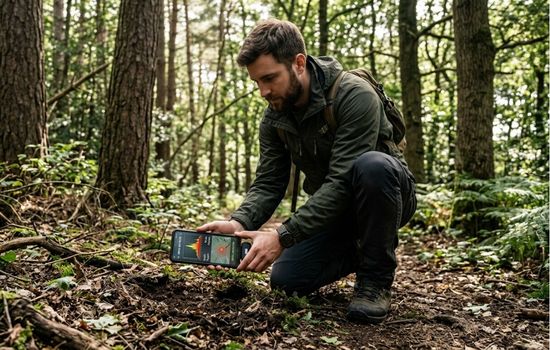
Making the Most of Your Digital Metal Detecting Experience
Metal detector apps represent an accessible intersection of technology and adventure. They transform an ordinary smartphone into a tool for exploration, problem-solving, and learning. While they’ll never replace professional equipment for serious enthusiasts, they offer immediate value without financial investment beyond the device you already own.
Success with these apps requires understanding their capabilities and limitations. Used appropriately for surface-level detection of ferrous metals, they perform admirably. Expecting deep-ground scanning or precious metal discrimination leads only to frustration.
Whether you’re hanging shelves, entertaining curious children, or simply exploring a new technological capability of your phone, metal detector apps provide useful functionality wrapped in an element of fun. Download one today and discover what hidden metal objects surround you in everyday life. The treasure might not be gold, but the experience offers its own rewards.
Remember that the journey matters more than the destination. Each beep from your phone, each successful recovery of a lost item, and each moment of wonder at the invisible forces your device can sense adds value to the experience. Embrace the limitations, celebrate the capabilities, and enjoy this unique fusion of modern technology with humanity’s age-old fascination with hidden treasures. The adventure awaits right in your pocket. 📱✨
