
Anúncios
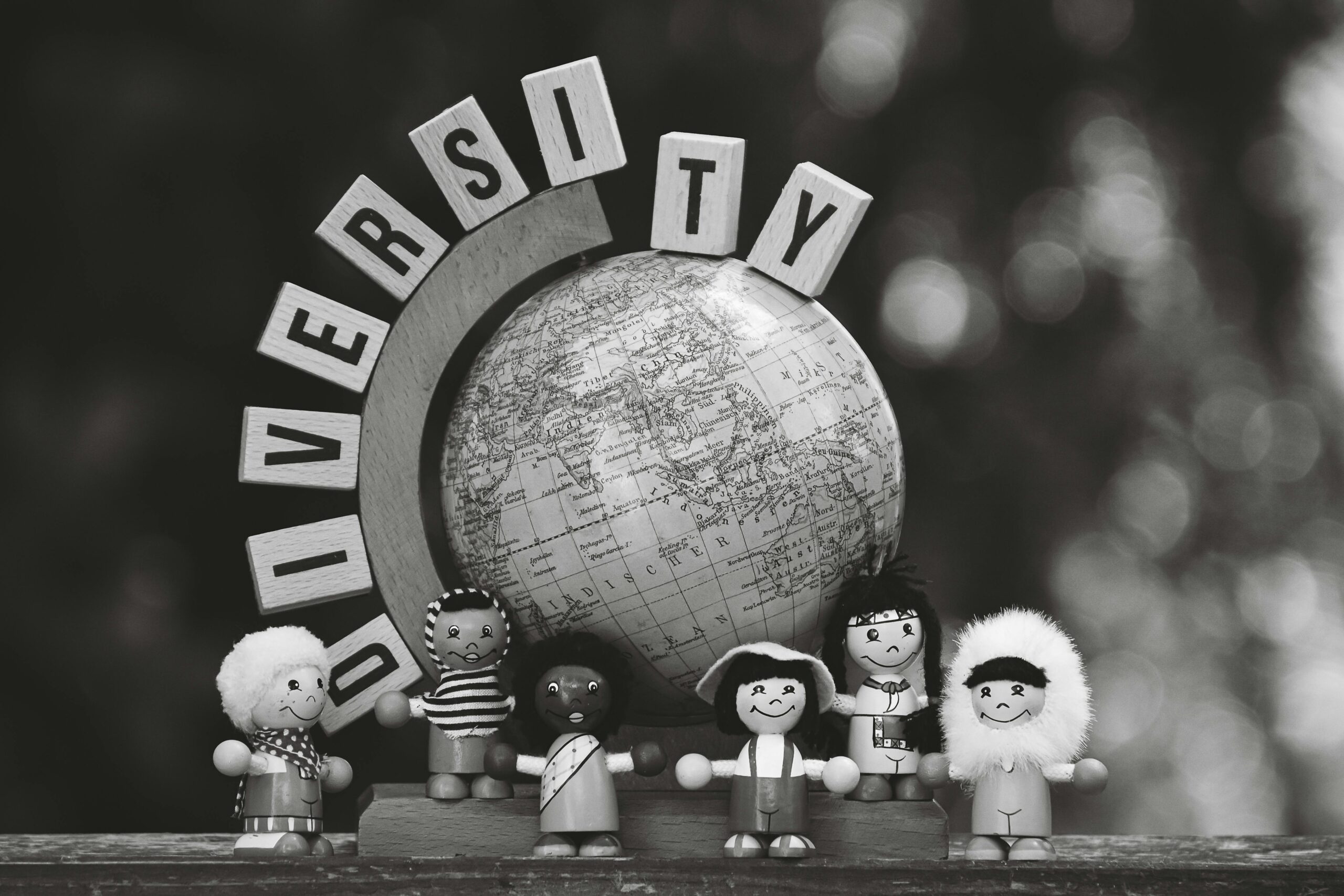
Diversity is not just a concept—it’s a living reality that shapes our world. Understanding and embracing cultural differences, especially regarding indigenous reserves worldwide, creates pathways toward genuine inclusion and mutual respect.
🌍 Understanding the Global Landscape of Indigenous Reserves
Indigenous reserves exist across every inhabited continent, representing thousands of unique cultures, languages, and traditions. From the Aboriginal lands in Australia to Native American reservations in North America, from the tribal territories in India to indigenous communities in the Amazon rainforest, these protected areas serve as cultural sanctuaries for populations that have faced centuries of marginalization.
Anúncios
The establishment of reserves represents both protection and paradox. While they offer legal recognition and territorial rights to indigenous peoples, they also symbolize historical displacement and ongoing struggles for autonomy. Understanding this dual nature is essential for anyone committed to cultural acceptance and meaningful inclusion.
According to recent estimates, indigenous peoples comprise approximately 476 million individuals across 90 countries, representing more than 5,000 distinct cultures. Despite their relatively small percentage of the global population, they are guardians of roughly 80% of the world’s remaining biodiversity, highlighting their crucial role in environmental conservation and sustainable living practices.
Anúncios
Breaking Down Barriers: Why Cultural Acceptance Matters
Cultural acceptance extends far beyond tolerance. It requires active engagement, learning, and willingness to challenge our own preconceptions. When societies embrace diversity within indigenous reserves, everyone benefits from expanded perspectives, traditional knowledge systems, and innovative solutions to contemporary challenges.
The economic argument for inclusion is compelling. Indigenous communities possess invaluable knowledge about sustainable resource management, medicinal plants, and climate adaptation strategies developed over millennia. When this wisdom integrates with modern approaches, it creates powerful synergies that address pressing global issues like climate change, biodiversity loss, and food security.
The Social Fabric of Inclusive Communities
Communities that actively embrace indigenous cultures demonstrate stronger social cohesion and resilience. Children raised with awareness of diverse cultural perspectives develop greater empathy, creativity, and problem-solving abilities. This cultural competence becomes increasingly valuable in our interconnected global economy.
Research consistently shows that diverse teams and communities innovate more effectively than homogeneous ones. When indigenous perspectives contribute to decision-making processes, organizations and governments develop more comprehensive solutions that consider multiple viewpoints and potential impacts.
🤝 Practical Steps Toward Meaningful Inclusion
Moving from abstract principles to concrete action requires intentional strategies. Here are evidence-based approaches that individuals, organizations, and governments can implement to foster genuine cultural acceptance:
- Educational Integration: Incorporate indigenous history, culture, and contemporary issues into mainstream curricula from primary school through university levels.
- Language Preservation: Support programs that teach and revitalize indigenous languages, recognizing that language carries irreplaceable cultural knowledge.
- Economic Partnership: Create fair trade relationships and business partnerships that respect indigenous rights and provide equitable compensation.
- Media Representation: Ensure authentic indigenous voices and stories appear in media, arts, and entertainment, moving beyond stereotypes.
- Policy Consultation: Mandate meaningful consultation with indigenous communities on policies and projects affecting their territories and rights.
Addressing Historical Injustices Through Truth and Reconciliation
Genuine acceptance requires acknowledging painful histories. Colonial policies systematically attempted to erase indigenous cultures through forced assimilation, residential schools, land theft, and cultural suppression. The intergenerational trauma from these policies continues affecting indigenous communities today.
Truth and reconciliation processes, pioneered in countries like Canada, South Africa, and Australia, provide frameworks for acknowledging past wrongs and charting paths forward. These initiatives create spaces for indigenous peoples to share their experiences while educating broader society about historical injustices and their ongoing impacts.
However, acknowledgment alone proves insufficient. Reconciliation requires concrete actions: returning stolen lands, providing reparations, implementing indigenous rights in legislation, and dismantling systemic barriers that perpetuate inequality. These steps demand courage, resources, and sustained commitment from governments and institutions.
The Power of Listening and Learning
Perhaps the most fundamental action non-indigenous people can take involves simply listening. Indigenous communities have been speaking about their needs, rights, and visions for generations. Genuine acceptance means amplifying these voices rather than speaking over them or deciding what’s best for them.
Educational initiatives should extend beyond formal settings. Virtual exchanges, cultural festivals, documentary films, and indigenous-led tourism provide opportunities for cross-cultural learning. When approached respectfully and reciprocally, these interactions build understanding and challenge stereotypes.
🌱 Environmental Stewardship and Indigenous Wisdom
The connection between indigenous reserves and environmental conservation cannot be overstated. Indigenous territories contain approximately 36% of remaining intact forest landscapes globally, despite covering only 28% of land area. This remarkable conservation record stems from worldviews that emphasize harmony with nature rather than dominion over it.
Traditional ecological knowledge (TEK) offers sophisticated understanding of local ecosystems accumulated through generations of careful observation and adaptation. This knowledge includes sustainable harvesting practices, controlled burning techniques, water management systems, and biodiversity protection strategies increasingly recognized by conservation scientists as essential tools for environmental protection.
Climate change makes this indigenous wisdom more valuable than ever. Indigenous communities often inhabit areas most vulnerable to climate impacts yet possess time-tested adaptation strategies. Integrating TEK with scientific approaches creates more effective and culturally appropriate climate resilience programs.
Legal Frameworks and Indigenous Rights Recognition
International law increasingly recognizes indigenous rights, most notably through the United Nations Declaration on the Rights of Indigenous Peoples (UNDRIP), adopted in 2007. This landmark document establishes minimum standards for indigenous peoples’ survival, dignity, and well-being, including rights to self-determination, land, resources, and cultural preservation.
However, implementation varies dramatically across nations. Some countries have incorporated UNDRIP principles into domestic legislation, while others resist these commitments. Even where legal protections exist, enforcement often proves inadequate, with indigenous communities facing violence, intimidation, and legal battles to defend their recognized rights.
The Free, Prior, and Informed Consent Principle
One crucial element of indigenous rights involves Free, Prior, and Informed Consent (FPIC). This principle requires that indigenous communities receive comprehensive information about proposed projects affecting their territories and genuinely consent before development proceeds. True FPIC gives communities the right to say no, not merely token consultation.
When properly implemented, FPIC transforms power dynamics, ensuring indigenous peoples participate as equal partners in decisions affecting their futures. This approach prevents conflicts, produces better development outcomes, and respects fundamental human rights.
💡 Technology and Cultural Preservation
Modern technology offers unprecedented opportunities for cultural preservation and connection. Indigenous communities increasingly use digital tools to document languages, record traditional knowledge, and share their cultures with global audiences on their own terms.
Social media platforms enable indigenous activists and artists to bypass traditional gatekeepers, directly reaching international audiences with their messages and creations. Digital archives preserve endangered languages and cultural practices for future generations, while virtual reality experiences allow immersive cultural education without requiring physical presence in reserves.
However, technology also presents challenges. Digital divides often exclude indigenous communities from technological benefits due to infrastructure gaps and economic barriers. Additionally, concerns exist about protecting sacred knowledge from exploitation when shared online, requiring careful consideration of what information should be public versus restricted within communities.
Economic Empowerment and Self-Determination
Economic justice forms a cornerstone of meaningful inclusion. Indigenous reserves worldwide face disproportionate poverty rates, limited infrastructure, and restricted economic opportunities. Addressing these disparities requires both removing systemic barriers and supporting indigenous-led economic development.
Successful economic empowerment respects self-determination, allowing communities to pursue development aligned with their values and priorities. This might include sustainable tourism, traditional arts and crafts, renewable energy projects, or cultural enterprises. The key is indigenous ownership and control, ensuring economic benefits remain within communities.
Many indigenous entrepreneurs are innovating at the intersection of tradition and modernity, creating businesses that honor cultural heritage while generating income and employment. Supporting these enterprises through fair trade practices, preferential procurement policies, and access to capital helps build sustainable economic foundations.
🎓 Education as a Bridge to Understanding
Educational systems play pivotal roles in either perpetuating stereotypes or fostering genuine understanding. Comprehensive curriculum reform should include accurate indigenous histories, contemporary issues, and contributions across all subject areas, not isolated in single units or optional courses.
Indigenous-led education initiatives preserve cultural knowledge while incorporating necessary skills for navigating broader society. Immersion schools teaching indigenous languages, culturally-based pedagogies, and curricula developed by indigenous educators demonstrate remarkable success in student engagement and cultural revitalization.
Higher education institutions increasingly establish indigenous studies programs and recruit indigenous faculty, though progress remains uneven. Scholarships, support services, and culturally responsive campus environments help indigenous students succeed while maintaining cultural connections.
Health and Wellness: Honoring Traditional and Modern Approaches
Indigenous communities worldwide face significant health disparities, including higher rates of chronic diseases, mental health challenges, and lower life expectancies. These disparities stem from historical trauma, socioeconomic inequities, and healthcare systems that often ignore cultural contexts.
Culturally competent healthcare integrates traditional healing practices with modern medicine, respecting indigenous worldviews about health and wellness. Community-controlled health services staffed by indigenous healthcare providers demonstrate improved outcomes by addressing cultural, linguistic, and trust barriers that limit access to mainstream systems.
Mental health initiatives incorporating traditional practices, connection to land, and cultural identity show particular promise. Recognizing the healing power of cultural continuity, language revitalization, and ceremonial practices provides holistic approaches to wellness that address root causes of health challenges.
🌟 Moving Forward Together: A Shared Future
Embracing diversity within indigenous reserves requires sustained commitment, not performative gestures. It demands questioning comfortable assumptions, redistributing power and resources, and genuinely partnering with indigenous peoples as equals. This work challenges everyone—indigenous and non-indigenous alike—to grow beyond familiar boundaries.
The path forward involves both individual and collective transformation. On personal levels, it requires ongoing education, relationship-building across cultural lines, and supporting indigenous-led initiatives. Institutionally, it demands policy reforms, resource allocation, and structural changes that dismantle barriers to full participation and self-determination.
Young people worldwide increasingly champion indigenous rights and environmental justice, recognizing these struggles’ interconnection with broader movements for equity and sustainability. This intergenerational momentum offers hope, though translating enthusiasm into lasting change requires sustained effort beyond momentary attention.
The Interconnected Future We Must Build
Global challenges like climate change, biodiversity loss, and social inequality demand collaborative solutions drawing on diverse knowledge systems and perspectives. Indigenous peoples offer crucial insights earned through millennia of sustainable living and adaptive management. Excluding these voices from decision-making tables impoverishes everyone’s future.
True inclusion transforms everyone involved. Non-indigenous peoples gain access to profound wisdom, alternative worldviews, and practical knowledge for living sustainably. Indigenous communities receive overdue recognition, resources, and partnership opportunities. Society as a whole becomes richer, more resilient, and better equipped to navigate uncertain futures.
The journey toward cultural acceptance and inclusion never truly ends—it’s an ongoing process of learning, adapting, and growing together. Each conversation, policy change, and relationship built across cultural boundaries contributes to a more just and vibrant world where diversity is genuinely celebrated, not merely tolerated.
Embracing diversity within indigenous reserves ultimately benefits everyone. It enriches our collective human heritage, strengthens communities, protects invaluable environmental and cultural resources, and demonstrates our capacity for empathy, justice, and positive change. The question isn’t whether we can afford to embrace this diversity—it’s whether we can afford not to. 🌍✨
