
Anúncios
Modern businesses thrive on operational excellence, and the cornerstone of this success lies in implementing robust maintenance and audit systems that ensure continuity and performance.
In today’s competitive landscape, organizations face mounting pressure to deliver flawless services while minimizing downtime and operational costs. The integration of effective maintenance strategies with comprehensive audit systems creates a powerful framework that not only prevents costly failures but also drives continuous improvement across all operational facets.
Anúncios
This guide explores the essential elements of building, implementing, and optimizing maintenance and audit systems that transform operational workflows into streamlined, reliable processes. Whether you’re managing a manufacturing facility, IT infrastructure, or service-based operations, understanding these fundamental principles will empower your organization to achieve unprecedented levels of efficiency.
🔧 Understanding the Foundation: Why Maintenance and Audit Systems Matter
Every operational environment depends on assets, equipment, processes, and people working in harmony. When any component fails or underperforms, the ripple effects can be devastating—from production delays and revenue loss to safety hazards and reputation damage. This is where strategic maintenance and audit systems become indispensable.
Anúncios
Maintenance systems encompass all activities designed to keep equipment, facilities, and processes functioning at optimal levels. These range from routine inspections and preventive servicing to corrective actions and predictive interventions. Meanwhile, audit systems provide the oversight mechanisms that verify compliance, identify gaps, and ensure that maintenance protocols are followed consistently.
The synergy between these two systems creates a self-reinforcing cycle: maintenance activities keep operations running smoothly, while audits validate effectiveness and uncover opportunities for refinement. Organizations that master this balance experience significantly reduced unplanned downtime, extended asset lifecycles, improved safety records, and enhanced regulatory compliance.
📊 The Strategic Pillars of Effective Maintenance Management
Building a world-class maintenance system requires understanding and implementing several core strategies, each serving specific operational needs and risk profiles.
Reactive Maintenance: The Baseline Approach
Reactive or corrective maintenance involves addressing failures as they occur. While often viewed as the least sophisticated approach, it remains appropriate for non-critical assets where failure consequences are minimal. The key is identifying which assets truly warrant this approach versus those requiring more proactive attention.
Organizations should strategically apply reactive maintenance only to equipment with low replacement costs, minimal safety implications, and negligible impact on production continuity. This selective application frees resources for more critical maintenance activities.
Preventive Maintenance: Building Reliability Through Routine
Preventive maintenance follows scheduled intervals based on time, usage metrics, or manufacturer recommendations. This proactive approach significantly reduces unexpected failures by addressing wear and potential issues before they escalate into major problems.
Effective preventive maintenance programs include regular inspections, lubrication schedules, parts replacement at predetermined intervals, and systematic cleaning procedures. The challenge lies in optimizing these schedules—too frequent maintenance wastes resources, while insufficient attention allows failures to develop.
Predictive Maintenance: Leveraging Technology for Intelligence
Predictive maintenance represents the evolution from time-based to condition-based strategies. By monitoring equipment performance through sensors, vibration analysis, thermal imaging, and other diagnostic technologies, organizations can predict failures before they occur and schedule interventions precisely when needed.
This approach maximizes asset utilization by avoiding unnecessary maintenance while preventing unexpected breakdowns. The initial investment in monitoring equipment and analytical capabilities typically delivers substantial returns through reduced downtime and optimized maintenance spending.
Reliability-Centered Maintenance: The Holistic Framework
Reliability-centered maintenance (RCM) takes a systematic approach to determining the most effective maintenance strategy for each asset. Through detailed analysis of failure modes, consequences, and detection methods, RCM allocates maintenance resources where they deliver maximum value.
This methodology ensures that critical assets receive appropriate attention while avoiding over-maintenance of less crucial equipment. Organizations implementing RCM principles typically see dramatic improvements in both reliability metrics and maintenance cost efficiency.
✅ Architecting Comprehensive Audit Systems
While maintenance systems focus on keeping operations running, audit systems provide the accountability and verification mechanisms that ensure maintenance activities deliver intended results and comply with established standards.
Internal Audits: The First Line of Verification
Internal audits conducted by designated team members provide regular assessments of maintenance compliance, procedure adherence, and documentation accuracy. These audits should follow structured checklists that cover critical aspects such as work order completion, safety protocol observance, inventory management, and record-keeping practices.
The frequency of internal audits depends on operational criticality and regulatory requirements, but quarterly reviews typically provide sufficient oversight for most organizations. The key is maintaining objectivity—auditors should evaluate areas outside their direct responsibilities to avoid conflicts of interest.
External Audits: Bringing Independent Perspective
External audits by third-party specialists or regulatory bodies offer unbiased assessments that internal teams cannot provide. These comprehensive reviews validate compliance with industry standards, legal requirements, and best practices while identifying blind spots that internal familiarity might overlook.
Organizations should view external audits not as threats but as opportunities for improvement. The insights gained from experienced external auditors often reveal optimization possibilities that deliver significant competitive advantages.
Continuous Monitoring: Real-Time Audit Capabilities
Modern technology enables continuous audit functions through automated monitoring systems that track maintenance activities, flag deviations from procedures, and generate alerts for non-compliance. These digital audit trails provide unprecedented visibility into operational integrity while reducing the administrative burden of manual auditing.
Integration between maintenance management systems and audit platforms creates seamless workflows where every action is documented, verified, and available for analysis. This transparency builds trust with stakeholders and simplifies regulatory reporting.
💡 Technology Integration: The Digital Transformation of Maintenance and Audits
Digital tools have revolutionized how organizations approach maintenance and audit functions, transforming labor-intensive manual processes into streamlined, data-driven operations.
Computerized Maintenance Management Systems (CMMS)
CMMS platforms serve as the operational hub for maintenance activities, providing centralized databases for asset information, work order management, inventory tracking, and performance analytics. These systems automate scheduling, generate maintenance notifications, and create comprehensive documentation that supports audit requirements.
Modern CMMS solutions offer mobile accessibility, allowing technicians to receive assignments, access equipment histories, and update work orders directly from the field. This real-time connectivity eliminates paperwork delays and ensures information accuracy.
Internet of Things (IoT) and Sensor Technologies
IoT devices embedded in equipment continuously collect performance data—temperature, vibration, pressure, energy consumption, and countless other parameters. This constant stream of information enables predictive maintenance strategies while providing auditors with objective evidence of equipment conditions and maintenance needs.
The analytical capabilities applied to IoT data reveal patterns and correlations that human observers might miss, leading to more accurate failure predictions and optimized maintenance schedules. Organizations implementing IoT-enabled maintenance report significant reductions in both planned and unplanned downtime.
Mobile Applications for Field Operations
Mobile applications empower maintenance teams with instant access to critical information and streamlined reporting capabilities. Technicians can scan equipment barcodes to retrieve maintenance histories, follow digital checklists, capture photos of issues, and submit completed work orders without returning to an office.
For audit purposes, mobile apps ensure consistent data collection, eliminate handwriting interpretation issues, and provide timestamped, location-verified documentation of all activities. This digital transformation dramatically improves both efficiency and accountability.
📈 Key Performance Indicators: Measuring What Matters
Effective maintenance and audit systems require objective metrics that quantify performance, identify trends, and guide improvement initiatives. Organizations should track indicators across several categories:
Equipment Reliability Metrics
- Mean Time Between Failures (MTBF): Measures average operational time between breakdowns, indicating overall equipment reliability
- Mean Time To Repair (MTTR): Tracks average time required to restore equipment to operational status after failure
- Overall Equipment Effectiveness (OEE): Combines availability, performance, and quality metrics into a comprehensive productivity measure
- Asset Uptime Percentage: Calculates the proportion of time equipment is operational and available for use
Maintenance Efficiency Indicators
- Planned vs. Unplanned Maintenance Ratio: Reflects the proportion of proactive versus reactive work, with higher planned percentages indicating mature maintenance programs
- Preventive Maintenance Compliance: Measures adherence to scheduled maintenance activities
- Work Order Completion Rate: Tracks the percentage of maintenance tasks completed within target timeframes
- Maintenance Cost as Percentage of Asset Value: Provides insight into maintenance spending relative to asset investment
Audit Quality Metrics
- Audit Finding Closure Rate: Measures how quickly identified issues are addressed and resolved
- Repeat Finding Frequency: Indicates whether corrective actions effectively prevent recurrence
- Compliance Score: Quantifies adherence to procedures, standards, and regulations
- Audit Coverage Percentage: Ensures all critical areas receive appropriate audit attention
Regular review of these KPIs enables data-driven decision-making and demonstrates the value delivered by maintenance and audit investments to organizational leadership.
🎯 Implementation Strategies: Building Systems That Work
Theoretical knowledge means little without effective implementation. Organizations embarking on maintenance and audit system improvements should follow proven strategies that maximize success probability.
Conduct Comprehensive Asset Assessments
Begin by cataloging all assets, evaluating their criticality, current condition, and maintenance requirements. This inventory forms the foundation for prioritizing resources and developing tailored maintenance strategies for different asset categories.
Asset criticality analysis considers factors including production impact, safety implications, replacement costs, and regulatory requirements. This assessment guides the appropriate maintenance approach for each piece of equipment.
Develop Clear Procedures and Standards
Document detailed procedures for all maintenance activities, specifying frequencies, methods, required tools, safety precautions, and acceptance criteria. These standardized procedures ensure consistency regardless of which technician performs the work and provide clear benchmarks for audit evaluations.
Similarly, establish audit protocols that define scope, frequency, methodology, and reporting requirements. Clear standards eliminate ambiguity and enable objective performance assessments.
Invest in Training and Competency Development
Even the most sophisticated systems fail without skilled personnel. Regular training ensures technicians understand equipment intricacies, follow proper procedures, and utilize available tools effectively. Similarly, auditors require training in assessment methodologies, documentation requirements, and communication skills.
Competency verification through certifications, practical assessments, and knowledge evaluations confirms that team members possess necessary skills before assigning critical responsibilities.
Start Small and Scale Systematically
Rather than attempting organization-wide transformation simultaneously, pilot new approaches in limited areas where success can be demonstrated and lessons learned before broader rollout. This incremental approach reduces risk, builds confidence, and allows refinement based on practical experience.
As pilot areas show positive results, expand systematically to additional departments or facilities, leveraging champions from successful implementations to mentor teams in new areas.
🚀 Overcoming Common Implementation Challenges
Organizations implementing or improving maintenance and audit systems inevitably encounter obstacles. Anticipating these challenges and preparing response strategies significantly improves outcomes.
Resistance to Change
Teams accustomed to existing practices often resist new systems, viewing them as additional burdens rather than improvements. Overcoming this resistance requires clear communication about benefits, involvement of frontline workers in system design, and recognition of early adopters who demonstrate positive results.
Leadership must visibly support new initiatives, allocate necessary resources, and hold teams accountable for adoption while remaining patient with the learning curve inherent in any transformation.
Data Quality and System Integration Issues
Many organizations struggle with incomplete asset information, inconsistent data entry, and systems that don’t communicate effectively. Addressing these issues requires dedicated data cleanup efforts, establishing data governance policies, and selecting technologies with robust integration capabilities.
Appointing data stewards responsible for information quality ensures ongoing attention to accuracy and completeness rather than treating data management as a one-time project.
Resource Constraints
Maintenance improvements and comprehensive audits require investments in technology, training, and personnel time. Organizations must build compelling business cases that demonstrate returns on these investments through reduced downtime, extended asset life, improved safety, and enhanced compliance.
Phased implementation approaches allow spreading costs over time while demonstrating value that justifies continued investment in subsequent phases.
🌟 Cultivating a Culture of Operational Excellence
Beyond systems and technology, sustainable operational excellence requires cultural transformation where maintenance quality and continuous improvement become organizational values embraced at every level.
This culture recognizes that everyone shares responsibility for operational integrity—from operators who report abnormalities promptly to executives who prioritize maintenance funding. Organizations with mature operational cultures view maintenance not as a cost center but as a strategic capability that enables competitive advantages.
Regular communication about maintenance successes, audit findings, and improvement initiatives keeps operational excellence visible and valued. Celebrating teams that achieve reliability milestones or identify process improvements reinforces desired behaviors and motivates continued excellence.
🔮 Future Trends Shaping Maintenance and Audit Evolution
The maintenance and audit landscape continues evolving rapidly, driven by technological innovations and changing operational paradigms. Forward-thinking organizations should monitor and prepare for several emerging trends.
Artificial Intelligence and Machine Learning
AI algorithms analyzing vast datasets from equipment sensors, work orders, and environmental factors increasingly predict failures with remarkable accuracy while recommending optimal maintenance timing and methods. Machine learning continuously refines these predictions as more data accumulates, creating self-improving maintenance systems.
Augmented Reality for Maintenance Guidance
AR technology overlays digital information onto physical equipment, guiding technicians through complex procedures, highlighting components requiring attention, and providing real-time access to documentation without requiring hands-free operation. This technology reduces errors, accelerates training, and enables less experienced technicians to handle sophisticated maintenance tasks.
Blockchain for Audit Trails
Blockchain technology creates immutable records of maintenance activities and audit findings, providing unprecedented transparency and verification capabilities. This tamper-proof documentation builds trust with regulators, customers, and stakeholders while simplifying compliance demonstrations.
Sustainable Maintenance Practices
Environmental considerations increasingly influence maintenance strategies, with organizations optimizing practices to reduce waste, energy consumption, and environmental impact. Sustainability metrics join traditional reliability and cost measures as key performance indicators.
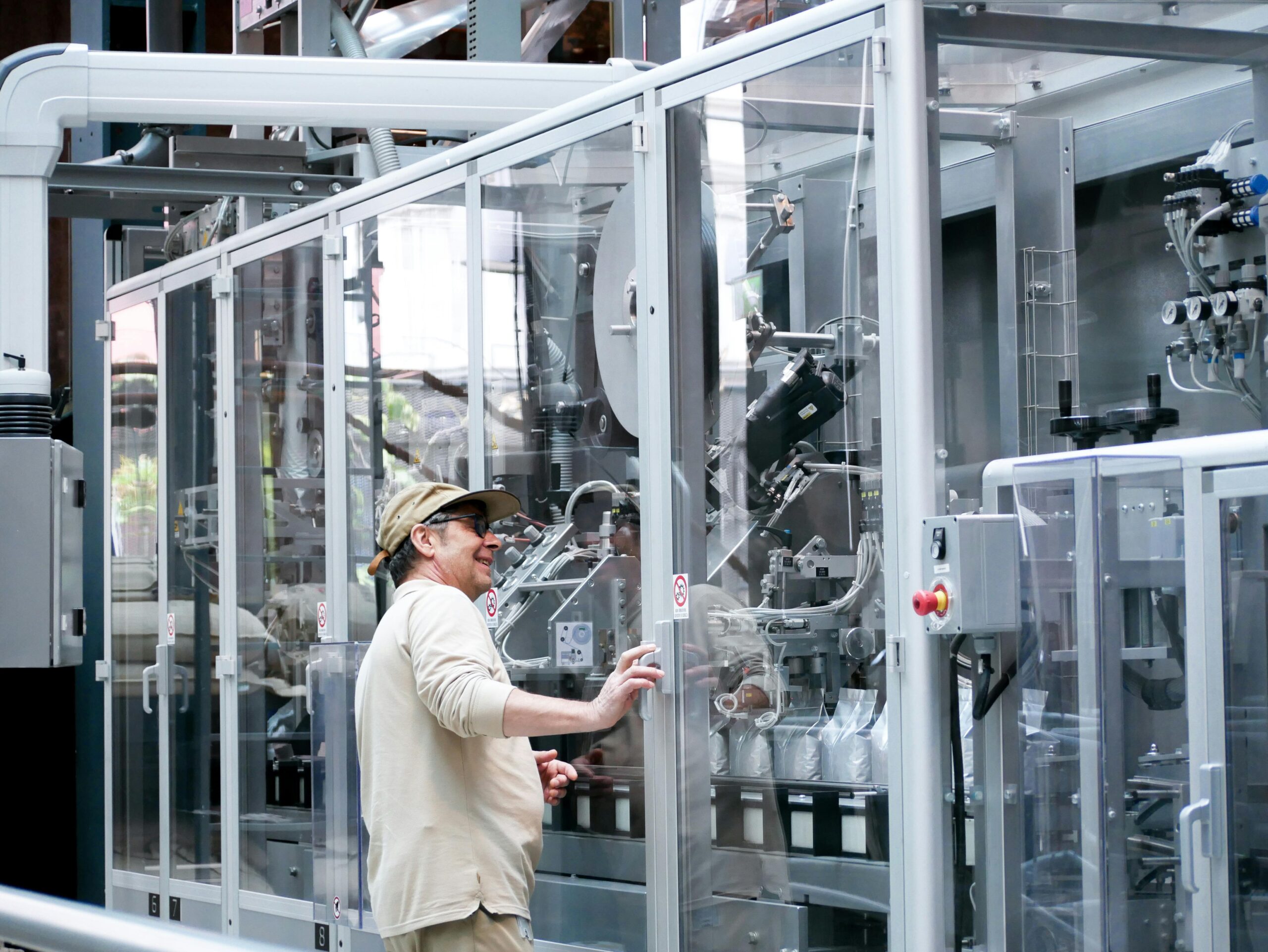
🎓 Building Your Roadmap to Operational Excellence
Transforming maintenance and audit systems from necessary overhead into strategic advantages requires commitment, planning, and persistence. Organizations should develop comprehensive roadmaps that outline current state assessments, target state visions, gap analyses, and phased implementation plans with clear milestones.
This roadmap should address technology requirements, process redesign needs, organizational structure adjustments, competency development initiatives, and cultural transformation efforts. Regular progress reviews ensure initiatives remain on track while allowing adjustments based on lessons learned and changing business conditions.
Success ultimately depends on viewing maintenance and audit excellence as continuous journeys rather than destinations. Markets evolve, technologies advance, and operational demands shift—organizations that embed continuous improvement into their operational DNA remain agile and competitive regardless of external changes.
The integration of robust maintenance strategies with comprehensive audit systems creates resilient operations capable of delivering consistent performance even amid uncertainty and disruption. Organizations investing in these capabilities position themselves not merely to survive but to thrive, turning operational excellence from aspiration into reality that drives sustainable competitive advantages and long-term success.
