
Anúncios
In an unpredictable world, strategic food stockpiling has become essential for households seeking security, resilience, and peace of mind during uncertain times.
The concept of preparedness isn’t about paranoia—it’s about practical wisdom. Whether facing natural disasters, economic fluctuations, supply chain disruptions, or unexpected personal emergencies, having a well-organized food reserve creates a safety net that protects your family’s well-being. The art of strategic food stockpiling combines thoughtful planning, scientific storage methods, and smart rotation practices to ensure your provisions remain fresh, nutritious, and accessible when needed most.
Anúncios
This comprehensive guide explores proven models for building an efficient food storage system that balances sustainability, nutrition, and practicality. We’ll examine everything from calculating your household’s needs to selecting the right foods, optimizing storage conditions, and maintaining your stockpile for long-term success.
🎯 Understanding Your Strategic Food Storage Foundation
Before purchasing a single can or package, successful food stockpiling requires understanding your household’s unique circumstances. The foundation of any effective preparedness plan starts with honest assessment and realistic goal-setting.
Anúncios
Consider your family size, dietary requirements, health conditions, and specific preferences. A stockpile that works for a family of four with no dietary restrictions differs significantly from one designed for households with allergies, religious dietary laws, or medical conditions requiring specialized nutrition.
The duration of your stockpile also matters tremendously. Many experts recommend starting with a two-week supply, then gradually expanding to one month, three months, and eventually six months or more. This graduated approach prevents overwhelming initial costs while allowing you to refine your system through practical experience.
Calculating Your Household’s Baseline Needs
A strategic approach requires mathematical precision. The average adult consumes approximately 2,000 calories daily, though this varies based on age, activity level, and metabolism. Children, teenagers, and those with physically demanding jobs may require adjustments to this baseline.
Beyond calories, consider the nutritional balance of proteins, carbohydrates, healthy fats, vitamins, and minerals. A stockpile focused solely on shelf-stable carbohydrates might provide energy but fails to deliver complete nutrition for extended periods.
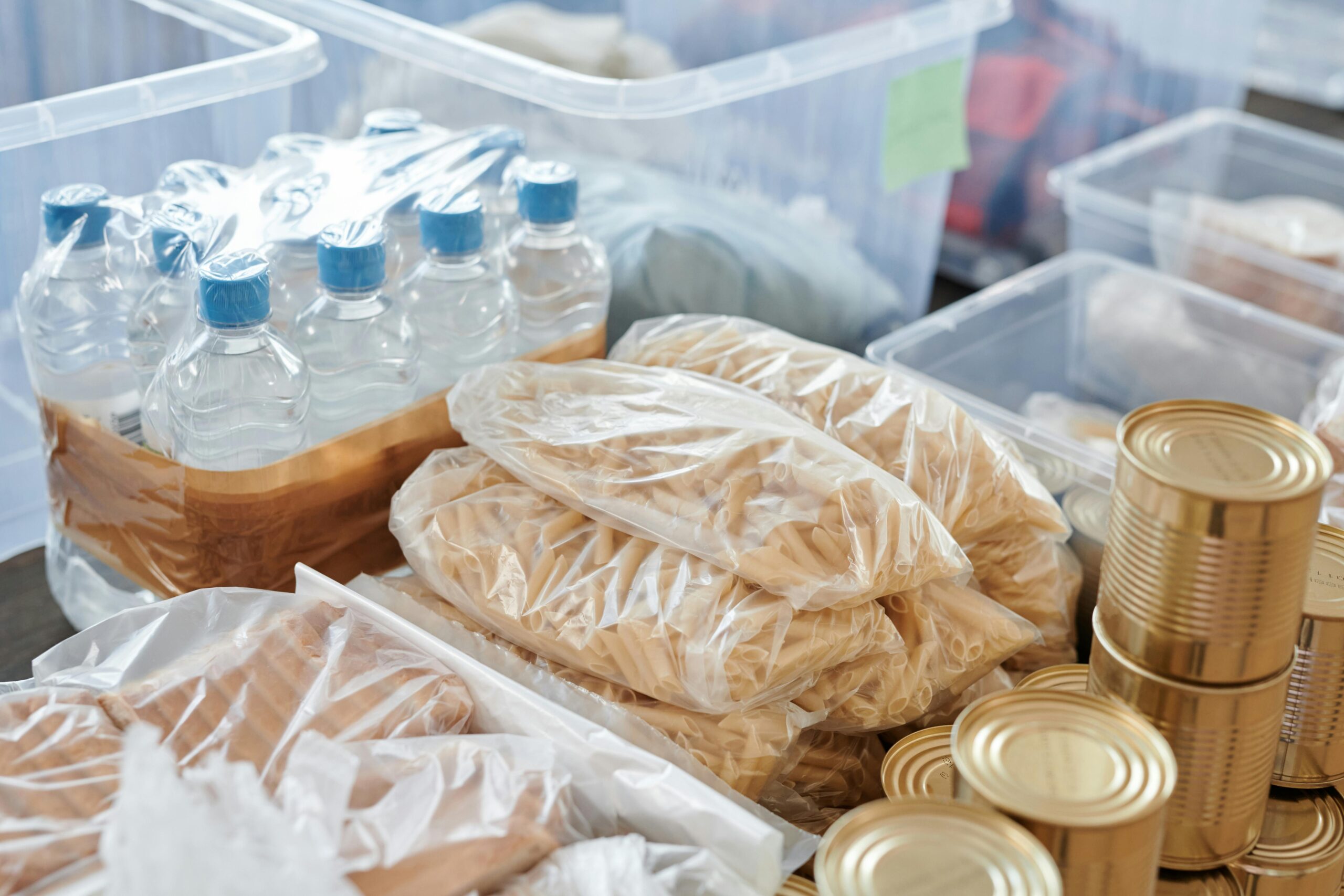
Water storage deserves equal attention—the recommended minimum is one gallon per person per day for drinking and sanitation. For a family of four planning a 30-day reserve, that’s 120 gallons, highlighting why water storage requires dedicated planning and space allocation.
🏆 The Three-Tier Stockpiling Model for Maximum Efficiency
Professional preppers and emergency management specialists often recommend a three-tier approach that balances immediate needs, medium-term sustainability, and long-term security.
Tier One: The Immediate Response Reserve (72-Hour Kit)
Your first tier consists of grab-and-go supplies for immediate emergencies requiring quick evacuation or sheltering in place during the critical first 72 hours. This tier emphasizes portability, minimal preparation requirements, and foods that remain stable without refrigeration.
Include ready-to-eat items such as energy bars, canned goods with pop-top lids, dried fruits, nuts, peanut butter packets, and shelf-stable milk boxes. These items require no cooking, conserve water, and provide quick energy during high-stress situations.
Store these supplies in easily transportable containers near exit points. Many families keep dedicated backpacks or rolling containers that can be grabbed within seconds if evacuation becomes necessary.
Tier Two: The Extended Pantry (1-3 Months)
The second tier expands your capacity to sustain your household for one to three months during prolonged disruptions. This level allows for more variety, better nutrition, and foods requiring basic preparation.
Focus on staples like rice, pasta, oats, canned proteins (tuna, chicken, beans), canned vegetables and fruits, cooking oils, flour, sugar, salt, and spices. Include comfort foods that boost morale—chocolate, coffee, tea, and favorite snacks matter psychologically during stressful periods.
This tier benefits from rotation practices where you regularly consume and replace items, ensuring nothing expires while maintaining fresh supplies. The “first-in, first-out” method keeps your stockpile dynamic rather than static.
Tier Three: Long-Term Sustainability Reserve (6+ Months)
The third tier represents serious preparedness for extended emergencies or significant lifestyle security. This level includes freeze-dried foods, bulk grains in long-term storage containers, dried legumes, powdered milk, honey, and other items with multi-year shelf lives.
Investment in quality storage containers with oxygen absorbers and moisture control becomes crucial at this level. Mylar bags, food-grade buckets, and vacuum-sealed packaging protect against the primary enemies of stored food: oxygen, moisture, light, heat, and pests.
Many households incorporate gardening seeds, sprouting supplies, and preservation equipment (pressure canners, dehydrators) into this tier, adding food production capability to their stockpile strategy.
📊 Strategic Food Selection: Building a Balanced Stockpile
Not all shelf-stable foods offer equal value in a strategic stockpile. Selection criteria should include nutritional density, caloric efficiency, versatility in preparation, storage requirements, and realistic consumption likelihood.
| Food Category | Shelf Life | Storage Priority | Nutritional Value |
|---|---|---|---|
| White rice (sealed) | 25-30 years | High | Carbohydrates, some protein |
| Dried beans | 25+ years | High | Protein, fiber, minerals |
| Canned proteins | 2-5 years | Medium | Complete proteins, fats |
| Freeze-dried vegetables | 25+ years | Medium | Vitamins, minerals, fiber |
| Honey | Indefinite | Low | Carbohydrates, antimicrobial |
| Salt | Indefinite | High | Essential mineral |
Protein Sources That Last
Protein presents unique challenges in long-term storage since many sources require refrigeration. However, several excellent options exist for stockpiling.
Canned fish, chicken, and beef provide complete proteins with decent shelf lives when stored properly. Dried beans, lentils, and peas offer plant-based proteins that store indefinitely when kept dry. Powdered protein supplements, peanut butter powder, and textured vegetable protein extend your protein options considerably.
Don’t overlook canned dairy products like evaporated milk, which provides calcium and protein. Powdered eggs, though requiring adjustment in cooking methods, deliver versatility for baking and meal preparation.
Carbohydrate Foundations
Carbohydrates provide essential energy and typically offer the best combination of shelf life, affordability, and storage efficiency. White rice, pasta, oats, and wheat berries form the backbone of most long-term food storage systems.
Include variety in grain types—quinoa adds complete protein, while various pasta shapes prevent menu fatigue. Crackers, hardtack, and properly stored flour expand your carbohydrate options, though flour requires more careful rotation than whole grains.
Essential Fats and Oils
Fats often receive insufficient attention in stockpile planning, yet they’re crucial for nutrition, satiety, and cooking. Vegetable oils have limited shelf lives (1-2 years), but coconut oil extends this considerably, especially when stored in cool, dark conditions.
Shortening, ghee, and properly canned butter offer longer-term fat sources. Nuts and seeds provide healthy fats but require attention to rancidity—vacuum sealing and refrigeration extend their viability significantly.
🏠 Optimal Storage Conditions and Organization Systems
Even the best foods deteriorate rapidly under poor storage conditions. Temperature, humidity, light exposure, and organization all impact your stockpile’s longevity and usability.
Ideal storage maintains temperatures between 50-70°F (10-21°C) with minimal fluctuation. Higher temperatures accelerate degradation—for every 10°F increase above 60°F, food storage life roughly halves. Basements, interior closets, and climate-controlled spaces work better than garages or attics with temperature extremes.
Humidity control prevents mold, rust on cans, and moisture damage to dry goods. Aim for relative humidity below 15% for optimal long-term storage. Silica gel packets, diatomaceous earth, and proper sealing help manage moisture in storage containers.
Light and Oxygen Management
Light degrades nutrients and accelerates spoilage, particularly affecting vitamins A and C. Store foods in opaque containers or dark locations. Many preppers use Mylar bags specifically for their light-blocking properties.
Oxygen enables bacterial growth, oxidation, and insect activity. Oxygen absorbers—small packets containing iron powder—remove oxygen from sealed containers, dramatically extending shelf life. When combined with Mylar bags and food-grade buckets, this creates near-perfect storage conditions for dry goods.
Rotation and Inventory Systems 📝
The most sophisticated stockpile fails without proper organization and rotation. Implement systems ensuring oldest items get used first while tracking what needs replenishment.
Label everything clearly with purchase dates and expiration information. Many successful stockpilers use spreadsheets or dedicated apps to track inventory, consumption rates, and replacement schedules.
Arrange storage so older items sit at front, newest at back. Some families organize by meal type or frequency of use, placing everyday items conveniently while reserving prime space for true emergency supplies.
💡 Advanced Strategies for Sustainable Food Security
Moving beyond basic stockpiling, advanced preparedness incorporates food production, preservation skills, and community resilience strategies.
Integrating Home Food Production
Gardens, even small container operations, transform your preparedness from finite reserves to renewable production. Include heirloom seeds in your stockpile—these produce plants whose seeds can be saved and replanted, unlike hybrid varieties.
Indoor herb gardens, sprouts, and microgreens provide fresh nutrition year-round with minimal space requirements. Sprouting particularly deserves attention—dried beans and seeds store for decades but sprout into fresh, vitamin-rich vegetables within days.
Consider chickens if local regulations permit. They convert kitchen scraps into eggs and provide meat, creating protein production from otherwise wasted resources.
Preservation Skills That Multiply Your Options
Learning preservation techniques extends your food security capabilities exponentially. Canning, dehydrating, fermenting, and freeze-drying allow you to process bulk purchases, garden harvests, and sales into long-term supplies.
Pressure canning enables safe preservation of low-acid foods like meats, vegetables, and complete meals. Water bath canning works for high-acid items like fruits, pickles, and tomatoes. Both methods create shelf-stable foods customized to your family’s preferences.
Dehydration removes moisture that enables bacterial growth, creating lightweight, compact storage. Jerky, dried fruits, vegetable chips, and meal components store efficiently while retaining most nutritional value.
🌍 Economic and Psychological Benefits of Strategic Stockpiling
Beyond emergency preparedness, strategic food stockpiling delivers ongoing financial and psychological advantages that justify the investment even without disasters.
Buying in bulk during sales generates significant savings—purchasing six months of staples at discount prices often saves 30-50% compared to weekly grocery shopping at regular prices. This bulk buying power essentially pays for your stockpile over time through reduced food costs.
The psychological security of knowing your family has food reserves reduces anxiety about job security, economic volatility, or unexpected expenses. This peace of mind represents genuine value, particularly in uncertain economic climates.
During personal emergencies—illness, injury, job loss, or family crisis—having food reserves means one less concern when dealing with difficult situations. The mental bandwidth freed from worrying about meals can be directed toward addressing the actual emergency.
🔄 Maintaining and Evolving Your Stockpile System
Strategic food storage isn’t a one-time project but an ongoing system requiring regular attention and adjustment.
Schedule quarterly inventory reviews to check expiration dates, inspect for damage or pests, and assess whether your stockpile still matches your household’s current needs. Family sizes change, dietary requirements evolve, and lessons learned from practice runs inform improvements.
Conduct periodic “pantry challenges” where your family eats primarily from stored foods for a week or two. These exercises reveal gaps in your planning, identify items nobody actually wants to eat, and build familiarity with emergency cooking methods.
Stay informed about food storage innovations, new products, and evolving best practices. The preparedness community continuously develops improved techniques, and remaining engaged ensures your system incorporates these advances.
Budget-Conscious Stockpile Building
Financial constraints shouldn’t prevent preparedness—strategic approaches enable building substantial reserves on limited budgets.
- Start small with just extra purchases during weekly shopping—one or two additional canned goods per trip accumulates surprisingly quickly
- Focus initially on inexpensive staples like rice, beans, pasta, and oats that provide maximum calories per dollar spent
- Watch for sales and buy aggressively when prices drop—stockpiling means capitalizing on deals rather than paying premium prices regularly
- Consider discount grocery outlets, bulk food stores, and restaurant supply stores that offer significantly lower per-unit costs
- Preserve seasonal produce yourself rather than buying commercial preserved foods—canning summer tomatoes costs far less than buying them year-round
- Join buying clubs or cooperatives where group purchasing power yields better prices on quality items
🛡️ Security Considerations for Your Food Reserves
An often-overlooked aspect of food stockpiling involves operational security—protecting your reserves from theft, social tension, and unwanted attention.
Discretion serves preparedness well. Broadcasting your stockpiling activities may create unrealistic expectations from neighbors or relatives during actual emergencies. This doesn’t mean refusing to help others, but rather maintaining control over your resources rather than facing demands or forced sharing.
Physical security matters too—sturdy locks, discreet storage locations, and potentially distributed reserves in multiple locations protect against theft or loss from single-point failures. Some families maintain supplies at trusted relatives’ homes or secure storage facilities as backup.
Documentation, including photos and inventories, assists with insurance claims if disaster damages your reserves. Store these records separately from physical stockpiles so both aren’t lost simultaneously.
🚀 Taking Action: Your 90-Day Stockpile Startup Plan
Knowledge without action provides no security. This practical 90-day plan transforms information into actual preparedness.
Days 1-30: Assessment and Foundation
Calculate your household’s needs, establish budget allocation, and begin purchasing basic staples. Focus on items you already eat regularly—rice, pasta, canned goods, cooking oil. Build your two-week reserve during this month while establishing storage locations.
Days 31-60: Expansion and Diversification
Expand to one-month supply while adding variety, proteins, fruits, vegetables, and cooking necessities. Implement labeling and organization systems. Begin practicing with stored foods, incorporating them into regular meals to ensure palatability and familiarity.
Days 61-90: Optimization and Long-Term Planning
Assess lessons learned, address gaps identified through practical use, and begin tier-three investments in long-term storage foods and preservation equipment. Develop written plans for emergency scenarios, including menus using your stockpile and preparation methods without electricity.
By day 90, you’ll have transformed from novice to practiced stockpiler with systems, supplies, and confidence in your preparedness.
🌟 Building Resilience Beyond Food Storage
While food stockpiling forms a crucial component of preparedness, true resilience requires broader capabilities. Water purification and storage, alternative cooking methods, first aid supplies, communication equipment, and community connections all complement your food reserves.
Skills matter as much as supplies—knowing how to purify water, prepare foods without modern conveniences, administer first aid, and improvise solutions transforms you from merely having resources to actually being resourceful.
The most secure future combines physical stockpiles with knowledge, skills, and community relationships. Your food reserves provide the foundation, but comprehensive preparedness encompasses the full spectrum of potential needs during emergencies.
Strategic food stockpiling represents practical wisdom for an uncertain world. Whether facing natural disasters, economic disruptions, or personal emergencies, well-planned food reserves provide security, savings, and peace of mind. The models and strategies outlined here offer proven frameworks for building efficient, sustainable stockpiles tailored to your household’s unique circumstances. Start today with small, manageable steps, and gradually build the comprehensive food security system that protects your family’s future. The investment in preparedness pays dividends not just during crises, but through ongoing financial savings and psychological security that enrich daily life. Your secure future begins with the decisions and actions you take today—master the art of preparedness and unlock the confidence that comes from genuine self-reliance. 🏆
