
Anúncios
Preservation isn’t just about keeping things intact—it’s about safeguarding memories, investments, and the treasures that define our lives through intelligent, purposeful action.
🔐 Why Preservation Has Become a Modern Priority
In an era where everything moves at lightning speed, the art of preservation has transformed from a luxury into an absolute necessity. Whether we’re talking about precious photographs, important documents, valuable possessions, or digital assets, the ability to protect what matters most has never been more critical. The challenge isn’t just about storage—it’s about implementing smart, sustainable techniques that stand the test of time.
Anúncios
Our modern world presents unique preservation challenges that previous generations never faced. We’re juggling physical items alongside digital files, managing climate-controlled environments while dealing with technological obsolescence, and trying to balance accessibility with security. The good news? Today’s preservation methods are more sophisticated, accessible, and effective than ever before.
📸 Digital Memory Preservation: Protecting Your Virtual Legacy
Digital photographs represent one of the most vulnerable yet precious assets in our lives. Unlike physical photos stored in albums, digital images face risks from hardware failure, software corruption, and format obsolescence. The average person now captures thousands of photos annually, yet most lack a coherent preservation strategy.
Anúncios
The 3-2-1 backup rule remains the gold standard for digital preservation: maintain three copies of your data, store them on two different media types, and keep one copy offsite. This approach ensures redundancy while protecting against localized disasters, hardware failures, and human error.
Cloud storage solutions have revolutionized how we preserve digital memories. Services like Google Photos, iCloud, and Dropbox offer automated backup systems that work silently in the background, creating safety nets for your irreplaceable moments. However, relying solely on cloud storage without local backups creates vulnerability to service disruptions or account access issues.
Organizing Digital Assets for Long-Term Access
Effective preservation extends beyond simple backup. Organization determines whether your preserved items remain accessible and meaningful over time. Create a logical folder structure using dates, events, and descriptive names rather than random numerical sequences. This investment of time now pays dividends when searching for specific memories years later.
Metadata preservation is equally crucial. When transferring photos between devices or platforms, ensure that creation dates, location information, and other contextual details remain intact. This information transforms isolated images into meaningful narratives of your life’s journey.
🏠 Physical Object Preservation: Protecting Tangible Treasures
While digital preservation dominates modern conversations, physical objects still hold irreplaceable value. Family heirlooms, important documents, collectibles, and artwork require specialized care to survive generations. Environmental control stands as the cornerstone of physical preservation—temperature, humidity, light exposure, and air quality all impact longevity.
The ideal storage environment maintains consistent temperature between 65-70°F (18-21°C) with relative humidity around 40-50%. Fluctuations cause more damage than absolute levels, as expansion and contraction stress materials over time. Basements, attics, and garages—common storage locations—often represent the worst possible environments due to extreme temperature and humidity variations.
Material-Specific Preservation Strategies
Different materials demand tailored approaches. Paper documents deteriorate from acid content, light exposure, and improper handling. Archival-quality folders, acid-free tissue paper, and UV-filtering glass protect important papers from common degradation factors. Never use regular tape, rubber bands, or paper clips on valuable documents—these seemingly innocent items cause permanent damage through chemical reactions and physical stress.
Textiles including clothing, quilts, and tapestries require breathable storage that prevents crushing while avoiding plastic bags that trap moisture. Acid-free tissue paper stuffed inside sleeves and folds helps maintain shape without adding harmful chemicals. Clean items thoroughly before storage, as organic residues attract pests and promote mold growth.
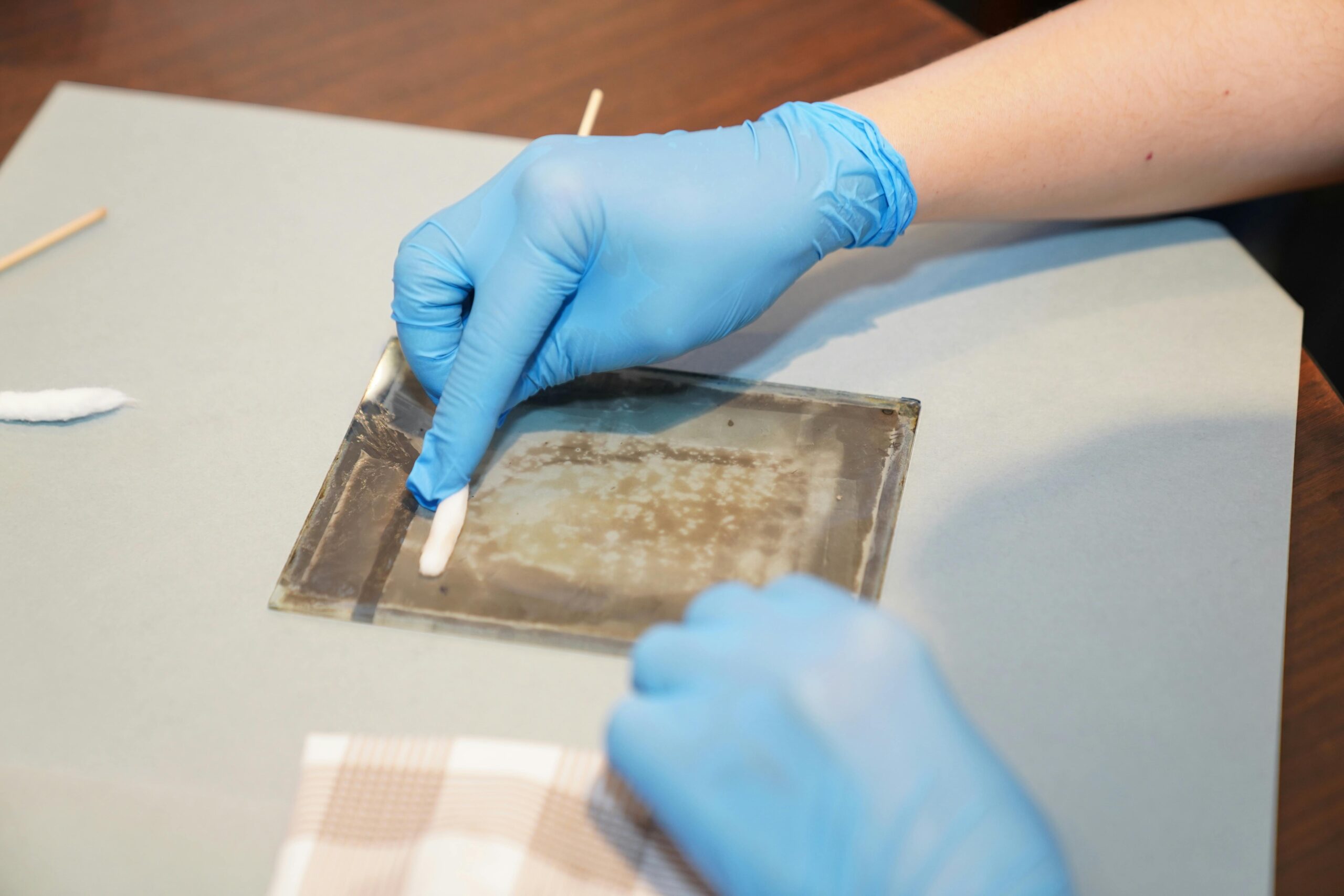
Photographs in physical form are particularly vulnerable. Store them in archival sleeves within acid-free boxes, away from magnetic photo albums whose adhesives yellow and damage images over time. Handle prints by edges only, as skin oils transfer acids that cause deterioration. Creating high-quality digital scans provides insurance while allowing the originals to remain undisturbed.
💾 Document Preservation in the Digital Age
Important documents form the foundation of our legal and financial lives, yet many people store them haphazardly. A comprehensive document preservation system combines physical security with digital accessibility, ensuring both protection and usability when needed most.
Invest in a quality fireproof and waterproof safe for original documents like birth certificates, property deeds, and estate planning paperwork. While no safe is completely impervious to extreme conditions, proper storage significantly increases survival odds during disasters. Document what’s stored where—a safe does no good if family members don’t know it exists or can’t access it during emergencies.
Simultaneously, create high-resolution digital scans of all important documents. Store these files using the same 3-2-1 backup principle, with encrypted copies in cloud storage and on external drives. This dual approach provides disaster recovery while enabling quick access from anywhere when documents are needed unexpectedly.
Secure Sharing and Access Management
Modern document preservation includes controlled sharing capabilities. Password-protected cloud folders allow trusted family members or advisors to access critical information during emergencies without compromising security. Document your access protocols and ensure multiple people understand how to retrieve information if you’re unavailable.
For sensitive documents requiring extra protection, encrypted storage apps provide military-grade security. These tools create digital vaults accessible only through authentication methods you control, adding layers of protection beyond standard file storage.
🎨 Art and Collectibles: Preserving Value Through Proper Care
Art collections and valuable collectibles represent both financial investments and personal passions. Preservation directly impacts value—poorly maintained items lose both monetary worth and aesthetic appeal. Professional conservation services exist for museum-quality pieces, but most collections benefit from informed owner stewardship.
Light damage represents one of the most insidious preservation threats. Ultraviolet radiation fades colors, yellows varnishes, and weakens materials over time. Position artwork away from direct sunlight and install UV-filtering glass or acrylic glazing on framed pieces. LED lighting produces minimal UV radiation compared to traditional bulbs, making it ideal for display areas.
Regular inspection catches problems before they become catastrophic. Check stored items annually for signs of pest activity, mold growth, or material degradation. Address issues immediately—early intervention prevents minor problems from destroying irreplaceable objects.
🌱 Food Preservation: Ancient Wisdom Meets Modern Science
Food preservation connects directly to sustainability, self-sufficiency, and practical economics. Modern refrigeration and commercial food systems have diminished traditional preservation knowledge, yet these techniques remain relevant for reducing waste, saving money, and ensuring food security.
Freezing stands as the most accessible preservation method for modern households. Properly frozen foods maintain quality for months or years, but technique matters. Remove excess air from packaging to prevent freezer burn, label items with dates, and maintain consistent freezer temperatures at 0°F (-18°C) or below. Blanching vegetables before freezing stops enzyme actions that degrade color, flavor, and texture.
Canning and Fermentation: Time-Tested Techniques
Home canning has experienced a renaissance as people rediscover self-sufficiency pleasures. Pressure canning safely preserves low-acid foods like vegetables and meats, while water bath canning works for high-acid foods including fruits and pickled items. Following tested recipes and proper procedures ensures both food safety and quality preservation.
Fermentation transforms preservation into flavor enhancement. Sauerkraut, kimchi, pickles, and countless other fermented foods combine preservation with probiotic benefits. Salt, acidity, and beneficial bacteria create environments where food remains safe while developing complex flavors impossible through other methods.
Dehydration removes moisture that microorganisms need for growth. Modern electric dehydrators make the process foolproof, creating shelf-stable fruits, vegetables, and herbs that retain nutritional value while concentrating flavors. Vacuum-sealed dehydrated foods remain viable for years when stored properly.
🔧 Maintenance Preservation: Extending Equipment and Property Lifespan
Preservation principles apply equally to homes, vehicles, and equipment. Preventive maintenance costs far less than replacement while avoiding the inconvenience of unexpected failures. Creating maintenance schedules transforms preservation from reactive crisis management into proactive stewardship.
Home systems require regular attention to maintain efficiency and prevent catastrophic failures. HVAC filters need monthly checks and seasonal replacements. Water heaters benefit from annual flushing to remove sediment buildup. Roof inspections catch minor issues before they become expensive interior damage. These small investments preserve property value while avoiding emergency repair costs.
Vehicles represent major investments deserving preservation efforts. Following manufacturer maintenance schedules, addressing warning signs immediately, and protecting exterior finishes from environmental damage extends vehicle lifespan significantly. Covered parking, regular washing, and prompt repair of paint chips prevents rust and maintains appearance.
📱 Technology and Tools for Modern Preservation
Digital tools have transformed preservation from manual labor into automated systems requiring minimal ongoing effort. Photo organization apps use artificial intelligence to identify faces, locations, and objects, creating searchable archives from chaotic image collections. These systems work continuously in the background, ensuring your memories remain organized and accessible.
Inventory management applications help track physical collections, from household items for insurance purposes to specialized collections of art, wine, or memorabilia. These digital catalogs document condition, provenance, and value while providing quick reference during emergencies or transactions.
Environmental monitoring devices track temperature and humidity in storage areas, sending alerts when conditions drift outside acceptable ranges. These smart sensors catch problems before they damage vulnerable items, providing peace of mind and early warning systems.
💡 Creating Your Personal Preservation Strategy
Effective preservation begins with assessment. Inventory what matters most—not everything requires equal preservation effort. Categorize items by irreplaceability, sentimental value, and practical importance. This prioritization focuses limited time and resources where they generate maximum impact.
Develop written preservation plans for each category. Document current storage conditions, identified risks, and specific protection measures implemented. Include information about backup locations, access procedures, and maintenance schedules. This documentation ensures consistency while enabling others to continue preservation efforts if needed.
Schedule regular preservation reviews. Annually reassess your strategies, update documentation, verify backup systems, and inspect stored items. Technology evolves, needs change, and proactive adjustments keep preservation systems effective over time.
Building Redundancy Into Everything
Redundancy represents the ultimate preservation insurance policy. Multiple copies, diverse storage methods, and varied locations protect against single points of failure. This principle applies universally—whether preserving digital files, physical documents, or knowledge itself.
Knowledge preservation deserves special attention. Document preservation techniques, locations, and access procedures in multiple formats. Share critical information with trusted individuals who can act if you’re unavailable. The best preservation system fails if knowledge dies with a single person.
🌟 The Psychology of Letting Go: Preservation Through Selective Curation
Paradoxically, effective preservation sometimes requires releasing items rather than saving everything. Overwhelming volume defeats preservation efforts by making organization impossible and diluting attention from truly important items. Selective curation focuses preservation efforts where they matter most.
Apply the “does it spark joy” principle from organizational philosophy, but add preservation considerations. Keep items that hold genuine meaning, serve practical purposes, or possess irreplaceable characteristics. Release duplicates, replaceable items, and possessions retained from obligation rather than desire. This curation makes preservation manageable while honoring what truly matters.
For digital content, ruthless editing transforms unmanageable photo libraries into meaningful collections. Delete duplicates, blurry shots, and images that lack context or emotion. The resulting streamlined library becomes something you’ll actually review and enjoy rather than an overwhelming archive you avoid.
🎯 Taking Action: Your Preservation Journey Starts Now
Preservation mastery develops through consistent action rather than perfect planning. Start with your highest priority items and implement basic protection measures today. Progress beats perfection—an imperfect preservation system actively protecting your valuables surpasses an ideal system that never moves beyond planning.
Begin with digital photos since they’re simultaneously vulnerable and accessible. Verify your current backup status, implement cloud storage if you haven’t already, and create at least one physical backup on an external drive. This single afternoon’s work protects thousands of irreplaceable memories.
Next, address important documents. Gather originals into secure storage and create digital copies. This project typically requires only a few hours but provides dramatic peace of mind knowing your critical paperwork is protected.
Build momentum through small, consistent actions rather than overwhelming preservation marathons. Dedicate 30 minutes weekly to preservation projects—organizing a photo folder, inspecting stored items, or updating inventory records. These modest investments compound into comprehensive preservation systems over time.
Remember that preservation serves life rather than restricting it. The goal isn’t creating museum-quality storage that makes items inaccessible. Instead, implement smart techniques that protect what matters while keeping treasured possessions usable and meaningful. Balanced preservation enriches life by safeguarding the physical and digital elements that tell your story, support your security, and connect you with what you value most.
The art of preservation combines ancient wisdom with modern technology, practical action with thoughtful curation, and systematic approaches with personal meaning. By implementing these smart techniques consistently, you create lasting protection for the irreplaceable elements that matter most—ensuring they remain intact, accessible, and meaningful for generations to come.
