
Anúncios
Understanding how people are distributed across our planet reveals powerful stories about economics, environment, culture, and the future of human civilization itself. 🌍
The way populations cluster, migrate, and evolve across different regions tells us more than just numbers on a map. It reflects centuries of human decision-making, natural resource availability, climate patterns, technological advancement, and socioeconomic opportunities. As we venture deeper into the 21st century, regional population distribution continues to shift dramatically, creating new challenges and opportunities for governments, businesses, urban planners, and communities worldwide.
Anúncios
This exploration into global population trends isn’t merely an academic exercise—it’s essential for understanding everything from climate change impacts to economic development, from infrastructure planning to cultural preservation. By unlocking the patterns hidden within demographic data, we can better prepare for tomorrow’s world and make informed decisions today.
The Global Population Landscape: Where We Stand Today
As of 2024, Earth’s population has surpassed 8 billion people, but this massive number is far from evenly distributed. Approximately 60% of the world’s population lives in Asia, with countries like India and China each hosting over a billion residents. Meanwhile, entire continents like Australia contain relatively sparse populations despite vast land areas.
Anúncios
Population density varies dramatically across regions. City-states like Singapore and Monaco pack thousands of people into every square kilometer, while countries like Mongolia and Namibia maintain populations that barely register when measured by the same metric. These disparities aren’t random—they’re the result of complex interactions between geography, history, economics, and policy.
Coastal regions consistently show higher population concentrations than inland areas. Research indicates that approximately 40% of the global population lives within 100 kilometers of a coastline, despite coastal areas representing only a fraction of available land. This pattern reflects historical trading advantages, access to marine resources, and more moderate climates that coastal regions typically offer.
Urban Concentration: The Megacity Phenomenon 🏙️
One of the most striking trends in regional population distribution is the explosive growth of megacities—urban areas with populations exceeding 10 million. In 1950, only two such cities existed: New York and Tokyo. Today, there are over 30 megacities, with the majority located in Asia and Latin America.
Cities like Tokyo, Delhi, Shanghai, São Paulo, and Mexico City have become gravity wells for human settlement, drawing millions from rural areas with promises of employment, education, and opportunity. This urbanization trend shows no signs of slowing, with projections suggesting that by 2050, nearly 70% of humanity will live in urban environments.
The megacity phenomenon creates unique challenges. Infrastructure must support millions of daily commuters, waste management systems must handle unprecedented volumes, and housing demand often outpaces supply, leading to informal settlements and affordability crises. Yet these dense urban centers also drive innovation, cultural exchange, and economic growth at scales impossible in smaller settlements.
Continental Patterns: A Region-by-Region Analysis
Asia: The Population Powerhouse
Asia’s demographic dominance isn’t surprising when you consider it contains both the world’s two most populous countries and several other nations with hundreds of millions of residents. However, the Asian story is becoming more nuanced. While South and Southeast Asia continue experiencing population growth, East Asian nations like Japan, South Korea, and increasingly China face aging populations and declining birth rates.
The distribution within Asia reveals fascinating patterns. Populations concentrate along major river systems—the Ganges, Yangtze, and Mekong—and in coastal manufacturing hubs. Meanwhile, vast interior regions of Central Asia and western China remain sparsely populated due to harsh climates and limited economic opportunities.
Africa: The Continent of Tomorrow
Africa represents the world’s fastest-growing demographic region. The continent’s population has more than tripled since 1970 and is projected to double again by 2050. This growth is concentrated in Sub-Saharan Africa, where countries like Nigeria, Ethiopia, and the Democratic Republic of Congo are experiencing explosive expansion.
African population distribution shows strong clustering around capitals and major cities, while rural areas, particularly in the Sahel and desert regions, maintain lower densities. The youth bulge in Africa—with median ages in many countries below 20 years—creates both tremendous potential and significant challenges for education, employment, and social services.
The Americas: Diversity in Distribution
North and South America showcase remarkable diversity in population patterns. The United States and Brazil, the hemisphere’s population leaders, show concentration along coasts and in major metropolitan areas. However, internal migration patterns differ significantly: the U.S. has seen recent movement toward southern and western states, while Brazil continues experiencing migration toward urban centers from rural areas.
Latin America is already highly urbanized, with over 80% of the population living in cities—one of the highest urbanization rates globally. This creates distinct challenges around urban planning, services delivery, and managing the environmental footprint of dense urban populations.
Europe: The Aging Continent 👴
Europe presents a unique demographic profile characterized by stable or declining populations, high urbanization, and significant aging. Many European countries have median ages exceeding 40 years, creating pressure on pension systems and healthcare infrastructure while simultaneously reducing workforce sizes.
Population distribution in Europe reflects centuries of industrialization and urbanization. Major cities continue attracting residents, but rural depopulation has become a serious concern in countries like Spain, Italy, and Portugal, where entire villages stand abandoned as young people migrate to urban opportunities.
Driving Forces Behind Population Distribution
Economic Opportunities and Employment
Perhaps no factor influences where people live more powerfully than economic opportunity. Manufacturing hubs, financial centers, technology corridors, and resource extraction zones act as magnets, drawing workers and their families. The rise of China’s coastal manufacturing cities, India’s technology centers like Bangalore and Hyderabad, and America’s tech clusters in Silicon Valley all exemplify this pattern.
Economic disparities between regions create push-and-pull dynamics that drive internal and international migration. Rural-to-urban migration continues globally as agricultural automation reduces farm labor demand while urban service economies expand. This trend fundamentally reshapes not just where people live, but how societies function.
Climate and Geography: Nature’s Hand 🌡️
Physical geography places fundamental constraints on population distribution. Humans naturally gravitate toward temperate climates, access to fresh water, and arable land. This explains why deserts, high mountains, polar regions, and dense rainforests remain relatively unpopulated despite covering vast areas.
Climate change is now actively reshaping these patterns. Rising temperatures make some previously marginal areas more habitable while threatening others with drought, flooding, or extreme weather. Coastal cities face existential threats from sea-level rise, potentially forcing massive future relocations. Some researchers predict climate-driven migration could displace hundreds of millions of people by the century’s end.
Policy and Politics
Government policies significantly influence population distribution. China’s hukou system historically restricted internal migration, concentrating populations in designated areas. India’s smart cities initiative aims to create new urban centers to distribute growth more evenly. Brazil’s construction of Brasília as an inland capital deliberately aimed to shift population away from coastal concentration.
Immigration policies similarly shape international population flows. Countries with aging populations and labor shortages, like Canada and Australia, actively recruit immigrants, while others maintain restrictive policies. These decisions collectively determine not just national demographics but global population distribution patterns.
Technological Impact on Where We Live 💻
Technology increasingly influences population distribution in subtle but profound ways. High-speed internet and remote work capabilities are beginning to decouple employment from physical location, potentially reversing century-long urbanization trends. The COVID-19 pandemic accelerated this shift, demonstrating that many jobs previously thought to require urban presence can be performed anywhere with reliable connectivity.
Smart city technologies promise to make urban living more efficient and sustainable, potentially supporting even higher population densities. Conversely, advances in agricultural technology and rural connectivity could make smaller towns and rural areas more viable, attractive alternatives to megacity living.
Transportation technology also plays a crucial role. High-speed rail networks in Japan, China, and Europe allow people to live further from employment centers while maintaining reasonable commute times. Similarly, improvements in air travel connectivity have enabled the growth of secondary cities that might otherwise struggle to compete with established metropolitan areas.
Environmental Consequences and Sustainability Challenges 🌱
Population distribution carries significant environmental implications. Dense urban areas can achieve economies of scale in resource use, public transportation, and service delivery, potentially reducing per-capita environmental impacts. However, they also create concentrated pollution, waste management challenges, and urban heat island effects.
Sprawling development patterns, particularly common in North America and Australia, consume vast land areas, destroy natural habitats, and create transportation patterns dependent on private vehicles. Finding sustainable population distribution models that balance human needs with environmental preservation represents one of the century’s great challenges.
Water availability increasingly constrains where populations can sustainably live. Cities like Cape Town, São Paulo, and Chennai have faced water crises, highlighting the vulnerabilities created when populations concentrate in water-stressed regions. Future population distribution will necessarily consider water security more seriously than past development patterns did.
Future Trajectories: What the Data Reveals
The Continued Urban Surge
All projections indicate continued urbanization, particularly in developing regions. African and Asian cities will account for most of the world’s urban population growth through 2050. This creates unprecedented demands for urban infrastructure, housing, and services that many governments struggle to meet.
However, the nature of urbanization may evolve. Rather than single megacities dominating national populations, some countries are developing networks of secondary cities, distributing growth more evenly and potentially avoiding some megacity problems.
Demographic Divergence
The demographic divide between aging developed nations and youthful developing countries will likely intensify. This creates complex challenges around migration policy, economic development, and international relations. Countries with shrinking populations face difficult choices about maintaining infrastructure and services with smaller workforces and tax bases.
Meanwhile, nations with rapidly growing young populations must create millions of jobs annually just to absorb new workforce entrants. Success or failure in this endeavor will significantly impact migration pressures, political stability, and economic development trajectories.
Climate-Driven Redistribution 🌊
Climate change will increasingly dictate population distribution, though exact patterns remain uncertain. Some currently populated regions may become uninhabitable due to extreme heat, water scarcity, or sea-level rise. Simultaneously, areas currently too cold for extensive agriculture might become more attractive as temperatures rise.
Coastal megacities face particularly complex futures. Cities representing trillions of dollars in infrastructure and housing hundreds of millions of people cannot easily relocate, yet many face existential threats from rising seas and intensifying storms. How humanity manages these challenges will define coming decades.
Opportunities Within the Patterns 🎯
Understanding regional population distribution creates opportunities across sectors. Businesses can identify emerging markets and consumer bases. Urban planners can anticipate infrastructure needs. Policymakers can design interventions to address demographic challenges before they become crises.
For individuals, demographic trends inform decisions about where to live, work, and invest. Regions with growing populations often offer entrepreneurial opportunities, while areas with declining populations may offer affordability and different lifestyle options.
Education systems can align training with regional demographic needs. Healthcare systems can prepare for aging populations in some regions while focusing on maternal and child health in others. Transportation networks can be designed around actual and projected population distributions rather than outdated patterns.
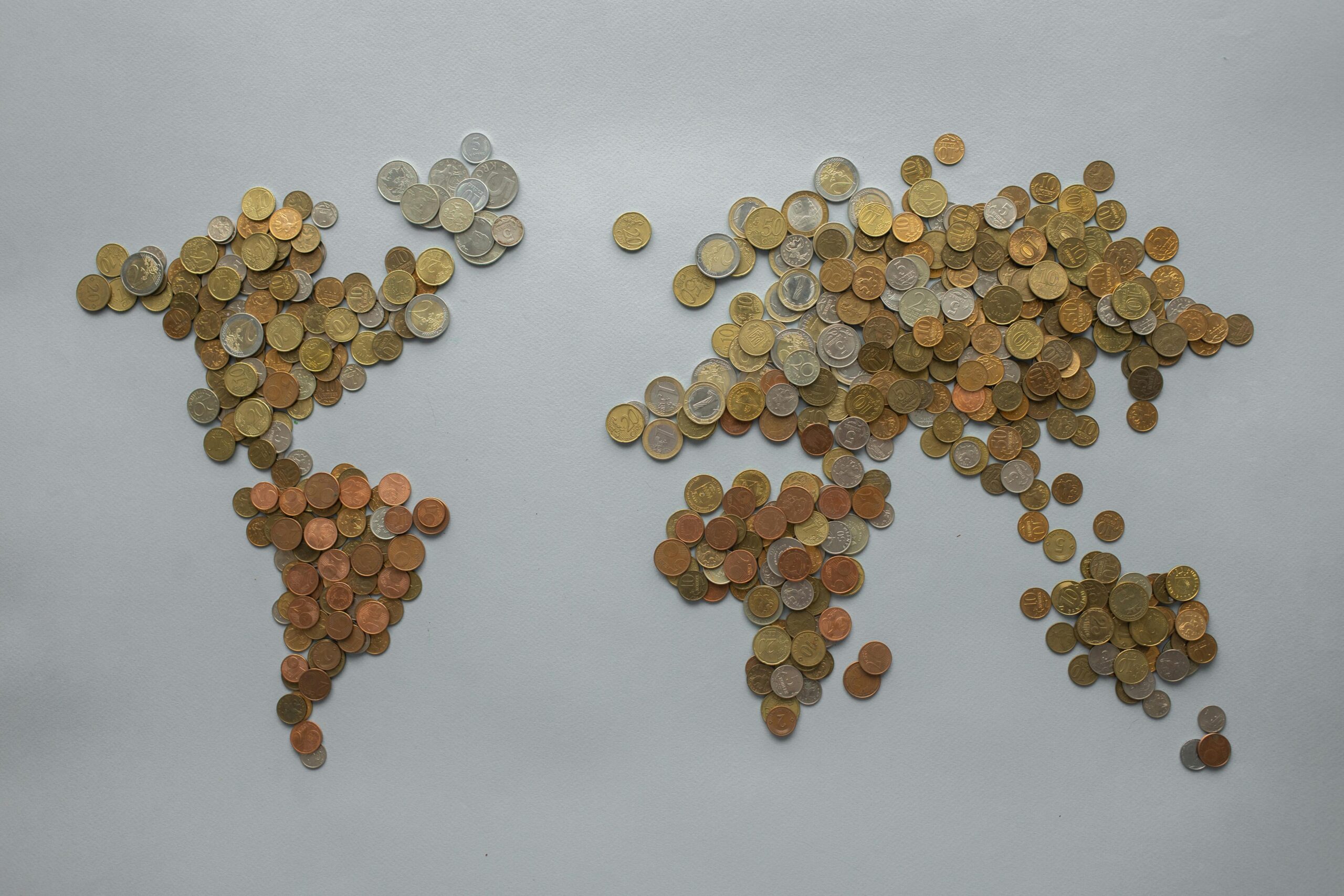
Making Sense of Our Shared Future
Regional population distribution isn’t destiny—it’s the accumulated result of countless individual and collective decisions, constrained by geography, enabled by technology, and shaped by policy. Understanding these patterns helps us navigate an increasingly complex world where demographic trends intersect with climate change, technological disruption, and economic transformation.
The map of human settlement continues evolving, just as it has throughout history. However, today’s changes occur at unprecedented scales and speeds, affecting billions of lives and reshaping entire continents within single generations. By paying attention to these trends, questioning assumptions, and planning thoughtfully, we can work toward population distribution patterns that support human flourishing while respecting planetary boundaries.
The story told by population maps is ultimately a human story—one of aspiration, adaptation, and the eternal search for better lives. As we unlock these patterns and insights, we gain not just data points, but deeper understanding of humanity’s past, present, and the many possible futures awaiting us. The question isn’t whether population distribution will continue changing, but whether we’ll have the wisdom to guide those changes toward outcomes that benefit both people and planet. 🌏
