
Anúncios
Metal detector apps have transformed smartphones into powerful tools capable of detecting magnetic fields and hidden metal objects with surprising accuracy.
Whether you’re searching for lost jewelry at the beach, checking walls before drilling, or exploring treasure hunting as a hobby, metal detector apps offer an accessible entry point. These applications leverage the magnetometer sensor already built into most modern smartphones, turning everyday devices into functional detection instruments.
Anúncios
The technology behind these apps is surprisingly sophisticated, measuring electromagnetic fields and alerting users when metal objects are nearby. While they may not replace professional-grade equipment for serious prospectors, they provide remarkable utility for everyday situations and casual exploration. Let’s dive into how these innovative applications work and what makes them valuable tools for various purposes.
📱 How Metal Detector Apps Actually Work
The magic behind metal detector applications lies in a tiny component called a magnetometer. This sensor, originally designed to provide compass functionality, measures the strength of magnetic fields surrounding your smartphone. When metal objects come within proximity, they disturb the ambient magnetic field, causing fluctuations that the app detects and interprets.
Anúncios


Most smartphones manufactured after 2012 include this sensor as standard equipment. The magnetometer continuously monitors magnetic field strength measured in microteslas (µT). In a typical environment without nearby metal, readings might hover around 25-65 µT. When ferromagnetic materials approach, these readings spike dramatically, triggering the app’s alert systems.
The detection range typically extends about 15-20 centimeters from the device, though this varies based on the metal’s magnetic properties. Iron and steel produce the strongest responses, while precious metals like gold and copper generate weaker signals since they’re less magnetic. Understanding these limitations helps users set realistic expectations for different detection scenarios.
🔍 Practical Applications for Everyday Life
Metal detector apps shine in numerous everyday situations where having detection capability proves unexpectedly useful. Homeowners frequently use them before drilling into walls, helping avoid hidden nails, screws, or electrical conduits that could damage drill bits or create safety hazards. This simple precaution saves money on repairs and prevents potential injuries.
DIY enthusiasts find these apps invaluable when working with reclaimed wood or salvaged materials. Old lumber often contains hidden nails and metal fasteners that can ruin saw blades. A quick scan with a metal detector app identifies these hazards before they cause expensive damage to power tools.
Outdoor adventurers use metal detector apps while camping to locate buried tent stakes, find dropped keys in sandy areas, or check ground conditions before setting up equipment. The convenience of having detection capability without carrying additional specialized equipment makes these apps popular among minimalist travelers.
🏖️ Treasure Hunting and Beach Exploration
Casual treasure hunting represents one of the most entertaining applications for metal detector apps. Beaches, parks, and old homesteads offer endless opportunities for discovering lost items. While you won’t likely uncover ancient treasure chests, finding lost jewelry, coins, and interesting metal artifacts provides genuine excitement.
Beach combing becomes significantly more productive with a metal detector app guiding your search. Lost rings, watches, and other valuables frequently hide beneath sand where visual inspection fails. The app’s ability to detect objects several inches underground expands your search capabilities beyond surface-level observation.
Many users report finding surprising items during casual detection sessions: vintage coins, historical buttons, old tools, and forgotten relics from decades past. Each discovery tells a story and connects you with history in tangible ways. Even if monetary value remains minimal, the thrill of discovery creates memorable experiences.
⚙️ Key Features to Look for in Detection Apps
Quality metal detector applications distinguish themselves through several important features. Real-time measurement displays show current magnetic field strength with numerical precision, helping users gauge proximity to detected objects. Visual graphs tracking fluctuations over time provide additional context for interpretation.
Audio alerts represent crucial functionality, allowing users to focus on their surroundings rather than staring at the screen constantly. Adjustable sensitivity settings enable customization based on detection goals—higher sensitivity for small objects, lower settings to filter out insignificant signals.
Advanced apps include calibration tools that establish baseline readings for specific environments, improving accuracy by filtering out ambient interference. Material indication features attempt to classify detected metals based on signal characteristics, though this remains less reliable than professional equipment.

🎯 Optimizing Detection Accuracy and Results
Achieving optimal results with metal detector apps requires understanding several performance factors. Phone positioning significantly impacts detection capability—holding the device parallel to the ground with the sensor area (usually near the top or back) closest to the search surface maximizes effectiveness.
Environmental interference affects readings considerably. Electronic devices, power lines, and magnetic building materials create background noise that obscures genuine metal signals. Working in areas with minimal electromagnetic interference produces clearer, more reliable results.
Movement speed matters when scanning. Slow, deliberate sweeps allow the sensor adequate time to register magnetic field changes. Rushing through an area causes the app to miss subtle signals from smaller or deeper objects. Patience consistently yields better detection outcomes.
Calibration before each detection session improves accuracy by establishing current baseline conditions. Most apps include simple calibration procedures—typically moving the phone through a figure-eight pattern away from metal objects for several seconds establishes appropriate reference points.
🛠️ Limitations and Realistic Expectations
Understanding what metal detector apps cannot do prevents frustration and disappointment. These applications cannot match the depth penetration of dedicated metal detectors, which often detect objects buried several feet underground. Smartphone apps typically identify items within a few inches of the surface at most.
Non-ferrous metals like aluminum, brass, and precious metals produce weaker magnetic responses, making detection significantly more challenging. While large copper pipes might register, small gold rings often generate signals too subtle for smartphone sensors to reliably detect.
Physical barriers affect detection capability differently depending on material composition. Thick concrete, wet soil, and multiple surface layers attenuate magnetic fields, reducing effective detection range. Users should anticipate reduced performance when scanning through dense materials.
Battery consumption represents another practical limitation. Continuous sensor operation drains power relatively quickly. Extended detection sessions require power management awareness, potentially limiting field time without access to charging capabilities.
💡 Creative Uses Beyond Standard Detection
Innovative users have discovered unexpected applications beyond traditional metal detection. Electronic repairs benefit from apps that help locate tiny screws dropped inside device casings or identify magnetic components within complex assemblies.
Ghost hunters and paranormal investigators employ metal detector apps as tools for detecting electromagnetic anomalies, though scientific validity remains debatable. Regardless of supernatural beliefs, the apps accurately measure magnetic field fluctuations that some find interesting in specific locations.
Educators use metal detector apps to teach students about magnetism, electromagnetic fields, and sensor technology. The immediate, visual feedback helps students understand abstract concepts through hands-on experimentation with familiar devices.
Security-conscious individuals scan packages and mail for unexpected metal objects, though this practice has limitations. While large metallic items register clearly, sophisticated threats often evade simple magnetic detection.
🌟 Choosing the Right Metal Detector App
Selecting an appropriate metal detector app depends on intended usage and desired features. Free applications provide basic functionality suitable for occasional use—finding lost keys, checking walls before drilling, or casual experimentation. These typically include advertisements and limited feature sets.
Premium paid versions offer enhanced capabilities: higher sensitivity ranges, detailed measurement logs, material classification algorithms, and ad-free experiences. Serious hobbyists and professional users who rely on detection capabilities regularly often find premium features worthwhile.
User reviews provide valuable insights into real-world performance across different phone models. Magnetometer sensitivity varies between manufacturers and models, causing identical apps to perform differently on various devices. Checking compatibility feedback for your specific phone improves likelihood of satisfaction.
Regular updates indicate active development and ongoing improvements. Apps maintained by responsive developers tend to incorporate user feedback, fix bugs promptly, and optimize performance for new phone releases. Update frequency often correlates with overall quality and reliability.
🔐 Privacy and Permissions Considerations
Metal detector apps require access to your phone’s magnetometer sensor, which raises minimal privacy concerns compared to apps requesting camera, location, or contact access. However, some applications request additional permissions that warrant scrutiny before installation.
Location permissions might seem unnecessary for basic detection functionality, though some apps use this data to map discoveries or provide environmental context. Evaluate whether these features justify sharing location information based on your comfort level and intended use.
Advertisement-supported free apps often collect usage data for targeted marketing purposes. Reading privacy policies before installation helps you understand what information gets collected and how developers utilize or share that data with third parties.
Granting only essential permissions and reviewing app settings after installation ensures you maintain appropriate control over your device and personal information while still accessing core detection functionality.
🚀 Future Developments in Mobile Detection Technology
Emerging smartphone sensor technology promises enhanced detection capabilities in future devices. Improved magnetometer sensitivity and multi-axis sensing could significantly expand detection range and accuracy, narrowing the performance gap with dedicated metal detectors.
Artificial intelligence integration may enable better signal interpretation, filtering environmental noise more effectively and providing more accurate material classification. Machine learning algorithms could distinguish between different metal types with greater reliability than current magnetic field analysis alone achieves.
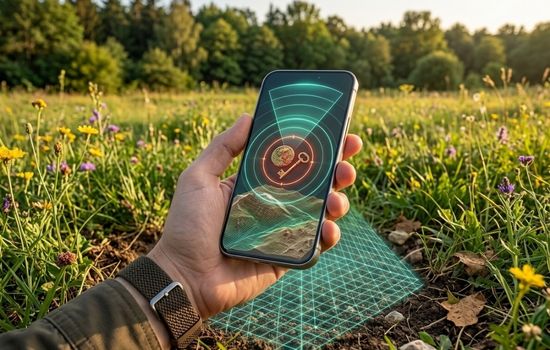
Augmented reality features might overlay detection information directly onto camera views, creating immersive exploration experiences. Visual indicators showing probable metal locations in real-time through your phone’s display could revolutionize treasure hunting and professional applications.
Integration with other sensors—combining magnetometer data with ground-penetrating radar capabilities or thermal imaging—might create comprehensive detection systems that dramatically exceed current smartphone limitations. While such technology remains developmental, the trajectory suggests exciting possibilities ahead.
🎓 Tips for Beginners Getting Started
New users should begin with simple detection exercises to understand their app’s capabilities and limitations. Start by detecting known metal objects—keys, coins, tools—at various distances and through different materials. This hands-on learning establishes baseline expectations for real-world scenarios.
Practice calibration procedures in your typical operating environment. Understanding how background magnetic fields affect readings in different locations helps you interpret signals more accurately when searching for unknown objects.
Join online communities dedicated to metal detecting, where enthusiasts share tips, techniques, and discoveries. These communities offer valuable advice for maximizing smartphone detection capabilities and troubleshooting common challenges.
Document your discoveries and detection sessions to track progress and identify patterns. Recording locations, depth, and object types helps develop intuition about where productive searching opportunities exist and which techniques yield best results.
Remember that expertise develops through experience. Initial frustrations and missed detections represent normal learning curve elements. Persistence and regular practice gradually improve your skills and understanding of effective detection strategies.
🌍 Environmental Responsibility While Detecting
Responsible detection practices protect environments and maintain positive relationships with property owners and communities. Always obtain permission before detecting on private property, and respect posted restrictions in public spaces where metal detecting might be prohibited.
Fill any holes excavated during recovery operations, leaving sites as undisturbed as possible. Proper hole recovery prevents injuries to people and animals while maintaining area aesthetics and integrity.
Dispose of trash discovered during detection sessions appropriately. Metal detectors often locate discarded cans, bottle caps, and other debris. Removing this trash improves environments and demonstrates considerate stewardship.
Research local regulations regarding found items, particularly in areas with historical significance. Many jurisdictions have specific laws governing archaeological finds and treasure trove. Understanding legal obligations prevents unintentional violations and ensures appropriate handling of significant discoveries.
Metal detector apps transform smartphones into versatile tools with surprising practical applications. While they cannot replace professional equipment for serious prospecting, they provide accessible, convenient detection capabilities for everyday situations and recreational exploration. Understanding their functionality, limitations, and optimal usage techniques helps users maximize benefits and enjoy rewarding detection experiences right from their mobile devices.
